

Introduction
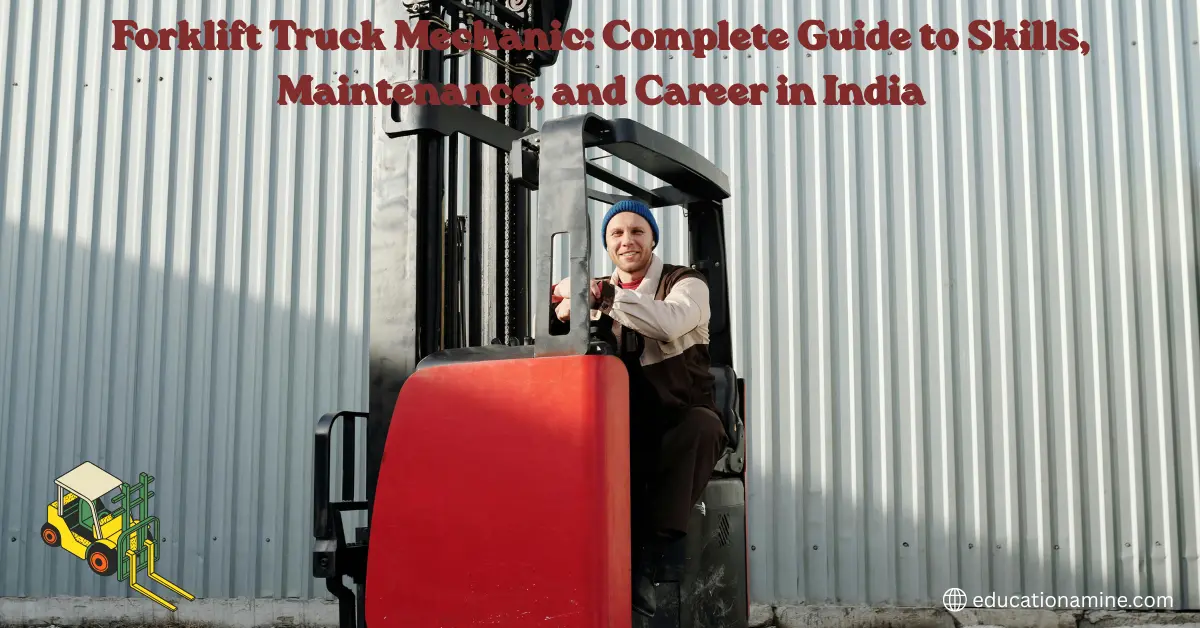
Forklift truck mechanic professionals play a vital role in keeping forklifts safe, reliable, and productive across warehouses, factories, logistics centers, ports, and construction sites. A forklift is one of the most important material handling machines used in industries, and regular maintenance is essential to prevent costly downtime and workplace accidents.
This guide explains everything you need to know about a forklift truck mechanic, including daily responsibilities, required skills, tools, maintenance procedures, common problems, safety practices, career opportunities in India, and how modern SaaS maintenance software helps mechanics manage inspections and repairs more efficiently. Whether you are planning a career or looking to improve fleet maintenance, this article provides practical information that is easy to understand and apply.
What Is a Forklift Truck Mechanic?
A forklift truck mechanic is a trained technician who inspects, diagnoses, repairs, and maintains forklift trucks to ensure they operate safely and efficiently.
These professionals work with different types of forklifts, including:
- Diesel forklifts
- Electric forklifts
- LPG forklifts
- Battery-powered forklifts
- Reach trucks
- Pallet stackers
Their primary goal is to minimize equipment failures while extending the lifespan of forklifts through preventive maintenance and timely repairs.
Why Forklift Truck Mechanics Are Important
Forklifts are used every day in industrial environments. Even a minor mechanical issue can stop operations and increase costs.
A qualified forklift truck mechanic helps organizations by:
- Reducing unexpected breakdowns
- Improving workplace safety
- Increasing equipment lifespan
- Lowering maintenance costs
- Ensuring regulatory compliance
- Improving operational efficiency
Without regular maintenance, forklifts become unsafe for operators and expensive to repair.
Main Responsibilities of a Forklift Truck Mechanic
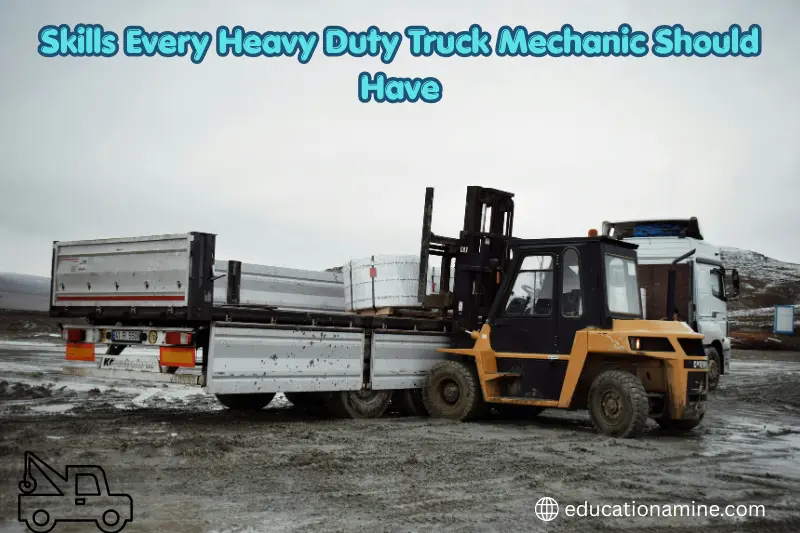
A forklift truck mechanic performs much more than basic repairs.
Their common responsibilities include:
- Inspecting forklifts before maintenance
- Diagnosing engine and electrical faults
- Repairing hydraulic systems
- Replacing worn-out components
- Servicing transmissions
- Maintaining steering systems
- Repairing braking systems
- Inspecting forklift masts and chains
- Battery testing and replacement
- Performing scheduled preventive maintenance
- Maintaining service records
- Testing forklifts after repairs
Each repair requires careful inspection to ensure the forklift meets safety standards before returning to operation.
Essential Skills Required
A successful forklift truck mechanic combines technical knowledge with problem-solving skills.
Technical Skills
Mechanics should understand:
- Diesel engines
- Electric motors
- Hydraulic systems
- Transmission systems
- Electrical wiring
- Battery management
- Brake systems
- Steering mechanisms
- Electronic control modules
Soft Skills
Important workplace skills include:
- Attention to detail
- Communication
- Time management
- Teamwork
- Diagnostic thinking
- Safety awareness
- Customer service
- Documentation skills
These skills help mechanics perform accurate repairs while maintaining productivity.
Tools Used by a Forklift Truck Mechanic
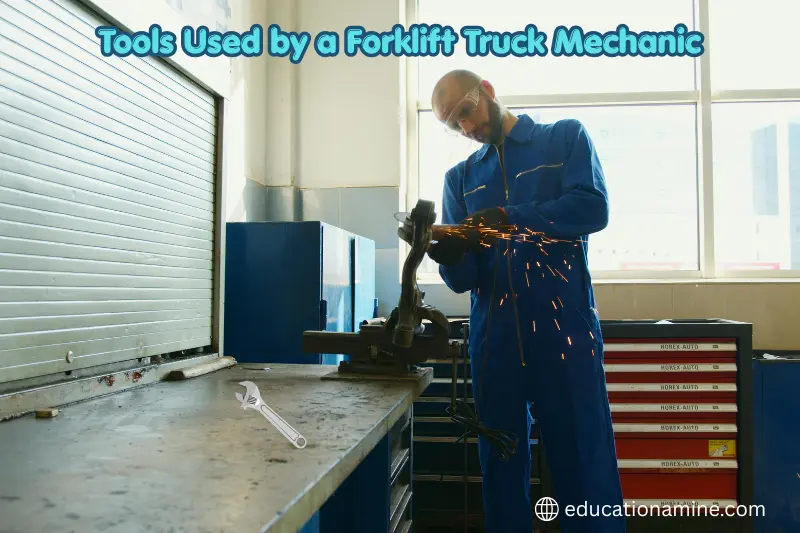
Professional mechanics use a wide variety of tools.
Common tools include:
- Socket wrench sets
- Torque wrenches
- Hydraulic pressure gauges
- Multimeters
- Battery testers
- Grease guns
- Diagnostic scanners
- Bearing pullers
- Chain inspection gauges
- Engine compression testers
- Hydraulic leak detectors
Modern workshops also use computerized diagnostic equipment to identify electronic faults quickly.
Types of Forklift Maintenance
Proper maintenance reduces repair costs and increases machine reliability.
Preventive Maintenance
Preventive maintenance is scheduled servicing performed before problems occur.
Typical tasks include:
- Oil changes
- Filter replacement
- Lubrication
- Tire inspection
- Battery maintenance
- Brake inspection
- Chain lubrication
- Hydraulic fluid replacement
Corrective Maintenance
Corrective maintenance involves repairing existing faults.
Examples include:
- Engine repairs
- Hydraulic leak repair
- Transmission replacement
- Electrical troubleshooting
- Mast repairs
Predictive Maintenance
Predictive maintenance uses inspection data and monitoring tools to detect early signs of wear before failures occur.
Many companies now use SaaS maintenance platforms to schedule inspections automatically and monitor equipment performance.
Daily Inspection Checklist
Before operating a forklift, mechanics or operators should inspect:
- Engine oil level
- Hydraulic oil
- Coolant
- Battery condition
- Tire pressure
- Fork condition
- Mast operation
- Chains
- Brakes
- Steering
- Warning lights
- Horn
- Seat belt
- Hydraulic hoses
- Leaks
A short inspection can prevent major repairs later.
Common Forklift Problems
Forklifts experience several recurring issues during regular operation.
Hydraulic Leaks
Hydraulic leaks reduce lifting performance and create safety risks.
Common causes include:
- Damaged hoses
- Loose fittings
- Worn seals
Battery Failure
Electric forklifts often experience:
- Low battery capacity
- Corrosion
- Loose terminals
- Charging problems
Engine Starting Issues
Possible causes include:
- Weak battery
- Fuel blockage
- Starter failure
- Ignition issues
Brake Problems
Brake issues may include:
- Worn brake pads
- Hydraulic leaks
- Brake fluid contamination
Steering Problems
Steering can become difficult because of:
- Hydraulic failure
- Low fluid levels
- Damaged steering components
Early diagnosis reduces repair costs significantly.
Safety Practices Every Mechanic Should Follow
Safety should always come first.
Best practices include:
- Wear PPE
- Disconnect battery before repairs
- Lock out equipment during maintenance
- Use approved lifting equipment
- Inspect hydraulic pressure carefully
- Never work beneath unsupported loads
- Follow manufacturer service procedures
- Maintain clean work areas
Ignoring safety procedures increases the risk of injury and equipment damage.
Forklift Truck Mechanic Career in India
The demand for forklift truck mechanics continues to grow as India’s logistics, warehousing, manufacturing, and e-commerce sectors expand.
Common employers include:
- Manufacturing companies
- Logistics providers
- Warehouse operators
- Construction companies
- Equipment dealerships
- Mining companies
- Ports
- Industrial maintenance firms
Experienced mechanics may advance to:
- Senior mechanic
- Workshop supervisor
- Service engineer
- Maintenance manager
- Technical trainer
- Field service technician
Additional certifications and hands-on experience improve career opportunities.
How SaaS Software Helps Forklift Maintenance
Many organizations now use cloud-based maintenance software to improve equipment management.
Benefits include:
- Automatic maintenance scheduling
- Digital inspection checklists
- Work order management
- Spare parts tracking
- Maintenance history
- Technician assignment
- Downtime reporting
- Mobile inspection apps
- Asset lifecycle management
- Real-time maintenance alerts
These SaaS solutions reduce paperwork while improving maintenance planning and operational efficiency.
Manual Maintenance vs SaaS Maintenance
| Feature | Manual Maintenance | SaaS Maintenance |
|---|---|---|
| Record Keeping | Paper-based | Digital |
| Maintenance Scheduling | Manual | Automatic |
| Inspection Reports | Physical Forms | Mobile Reports |
| Spare Parts Tracking | Difficult | Automated |
| Work Orders | Manual | Digital |
| Maintenance History | Limited | Complete |
| Fleet Monitoring | Difficult | Real-Time |
| Reporting | Time-Consuming | Instant |
Common Mistakes to Avoid
Many maintenance issues result from avoidable mistakes.
Avoid these common errors:
- Ignoring minor leaks
- Skipping scheduled servicing
- Using incorrect spare parts
- Poor battery maintenance
- Overlooking chain wear
- Not replacing damaged hoses
- Ignoring warning lights
- Poor documentation
- Using untrained technicians
- Delaying repairs
Addressing problems early prevents expensive breakdowns.
Practical Tips for Better Forklift Maintenance
Follow these recommendations:
- Perform inspections daily.
- Follow manufacturer maintenance intervals.
- Keep maintenance records updated.
- Use genuine replacement parts whenever possible.
- Train operators to report unusual noises immediately.
- Maintain clean batteries and electrical connections.
- Monitor hydraulic fluid regularly.
- Store forklifts in suitable environments.
- Replace worn components before failure.
- Review maintenance reports regularly.
Choosing a Good Forklift Truck Mechanic
When hiring a mechanic, consider:
- Relevant experience
- Technical certifications
- Knowledge of electric and diesel forklifts
- Diagnostic skills
- Safety awareness
- Ability to use modern diagnostic tools
- Communication skills
- Experience with digital maintenance systems
A qualified mechanic helps reduce equipment downtime and long-term maintenance costs.
If you want to learn more about equipment maintenance, warehouse operations, and SaaS asset management, explore our related guides on Warehouse Management Software, Preventive Maintenance Checklist, and Asset Management Software. These resources provide practical tips to improve equipment performance, reduce downtime, and streamline maintenance operations.
For trusted guidance on forklift safety and maintenance, refer to the OSHA Powered Industrial Trucks Safety Guide. It provides official recommendations on forklift operation, inspections, maintenance, and workplace safety practices.
Frequently Asked Questions
1. What does a forklift truck mechanic do?
A forklift truck mechanic inspects, repairs, services, and maintains forklifts used in warehouses, factories, construction sites, and logistics operations. Their work includes engine repairs, hydraulic maintenance, battery servicing, brake inspections, diagnostics, and preventive maintenance to keep equipment operating safely and efficiently.
2. Which skills are important for a forklift truck mechanic?
A forklift truck mechanic should understand hydraulic systems, diesel and electric engines, electrical systems, brakes, steering, diagnostics, and preventive maintenance. Strong problem-solving abilities, safety awareness, attention to detail, and communication skills are also essential for performing reliable repairs.
3. Is forklift truck mechanic a good career in India?
Yes. As India’s warehousing, logistics, manufacturing, and e-commerce industries continue to grow, demand for skilled forklift truck mechanics is increasing. Experienced professionals can progress into supervisory, technical support, or maintenance management roles with additional training and practical experience.
4. How often should forklifts be serviced?
Service intervals depend on the manufacturer’s recommendations, operating environment, and equipment usage. Daily inspections combined with scheduled preventive maintenance help identify wear early, reduce unexpected breakdowns, and improve overall equipment reliability and safety.
5. How does SaaS maintenance software help forklift mechanics?
SaaS maintenance platforms simplify scheduling, inspections, digital work orders, maintenance history, spare parts management, technician assignments, and reporting. These tools improve maintenance planning, reduce paperwork, minimize downtime, and help organizations manage forklift fleets more efficiently.
Conclusion
A forklift truck mechanic is essential for maintaining the safety, reliability, and performance of industrial material handling equipment. From preventive maintenance and advanced diagnostics to hydraulic repairs and digital maintenance management, skilled mechanics help businesses reduce downtime and extend equipment life. As industrial automation and logistics continue to expand across India, the demand for qualified mechanics and modern SaaS maintenance solutions will continue to grow. Investing in regular maintenance, proper training, and digital maintenance management is the most effective way to keep forklift operations safe, productive, and cost-efficient.
