

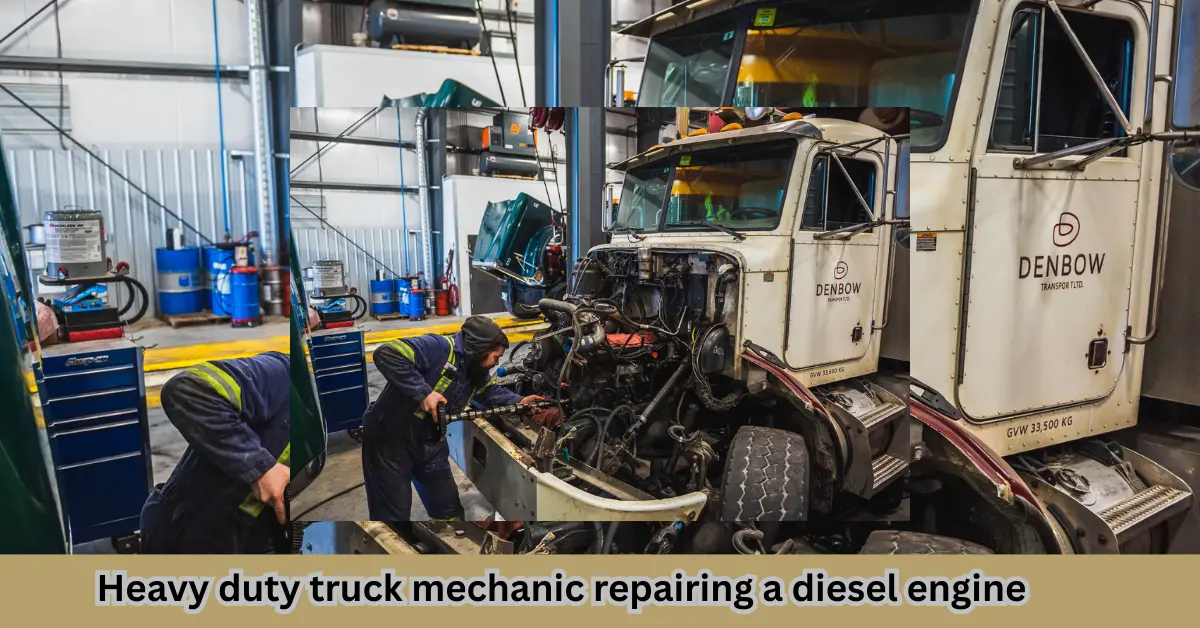
Heavy duty truck mechanic services are essential for keeping commercial trucks, semi-trucks, dump trucks, and fleet vehicles operating safely and efficiently. Whether you own a trucking business, manage a fleet, or drive independently, choosing a qualified heavy duty truck mechanic can reduce downtime, extend vehicle life, and prevent costly roadside breakdowns.
This guide explains what a heavy duty truck mechanic does, the services they provide, why regular maintenance matters, and how to choose the right professional in the USA.
What Is a Heavy Duty Truck Mechanic?
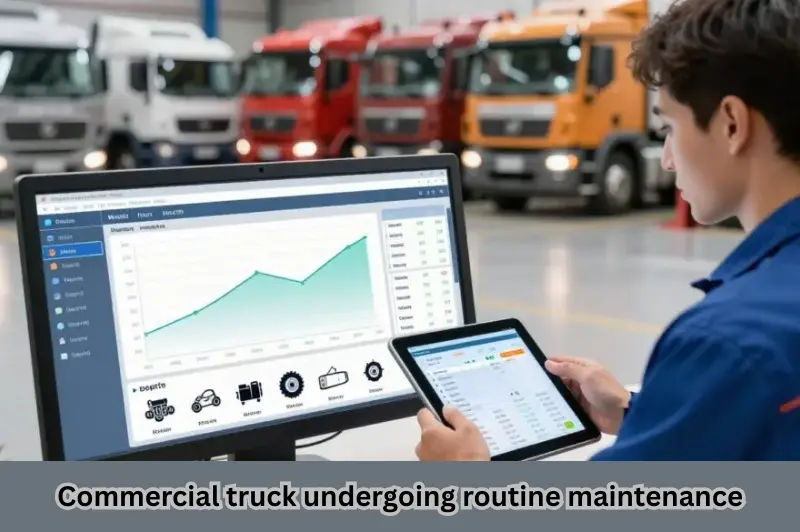
A heavy duty truck mechanic is a trained professional who inspects, diagnoses, repairs, and maintains large commercial vehicles. These specialists work on trucks that transport heavy cargo across long distances and perform demanding jobs every day.
Unlike standard automotive mechanics, heavy-duty truck mechanics handle larger diesel engines, advanced braking systems, heavy suspensions, transmissions, axles, hydraulic systems, and electronic diagnostic equipment.
Their work helps ensure trucks remain reliable, fuel-efficient, and compliant with safety regulations.
Vehicles They Commonly Service
Heavy duty truck mechanics work on many types of commercial vehicles, including:
- Semi-trucks
- Tractor-trailers
- Dump trucks
- Box trucks
- Cement mixers
- Garbage trucks
- Tow trucks
- Construction vehicles
- Delivery trucks
- Fleet vehicles
These vehicles require specialised tools, technical knowledge, and regular maintenance due to their heavy workloads.
Why Heavy Duty Truck Maintenance Matters
Routine maintenance is one of the most effective ways to reduce unexpected repairs and keep trucks operating safely.
Ignoring small mechanical problems often leads to expensive repairs that could have been prevented through regular inspections.
Some major benefits include:
- Improved fuel efficiency
- Longer engine life
- Reduced repair costs
- Better road safety
- Increased vehicle reliability
- Less downtime
- Improved fleet productivity
For commercial trucking companies, every hour a truck sits in the repair shop can result in lost revenue. Preventive maintenance helps minimise those interruptions.
Services Offered by a Heavy Duty Truck Mechanic
A professional heavy duty truck mechanic provides much more than emergency repairs. Most repair shops offer complete maintenance and diagnostic services.
Engine Diagnostics and Repair
The diesel engine is the heart of every heavy-duty truck.
Mechanics use advanced diagnostic equipment to identify issues involving:
- Fuel injectors
- Turbochargers
- Cooling systems
- Engine sensors
- Timing components
- Oil leaks
- Overheating problems
Early diagnosis prevents major engine failures and keeps repair costs under control.
Transmission Repair
Heavy-duty transmissions operate under enormous loads every day.
Mechanics inspect and repair:
- Manual transmissions
- Automatic transmissions
- Clutches
- Gear systems
- Driveline components
- Differentials
A properly functioning transmission ensures smooth power delivery and improves overall vehicle performance.
Brake System Repair
Commercial truck braking systems experience constant wear.
A heavy duty truck mechanic checks:
- Air brakes
- Brake chambers
- Brake shoes
- Rotors
- Drums
- Brake lines
- Air compressors
Proper brake maintenance is critical for both driver safety and legal compliance.
Suspension and Steering Repair
A damaged suspension affects handling, tyre wear, and driver comfort.
Mechanics inspect:
- Shock absorbers
- Leaf springs
- Air suspension systems
- Bushings
- Steering components
- Wheel alignment
Maintaining these systems helps improve stability, especially when carrying heavy loads.
Electrical System Diagnostics
Modern commercial trucks rely heavily on electronic systems.
Mechanics diagnose issues involving:
- Batteries
- Alternators
- Starter motors
- Wiring
- Sensors
- Lighting systems
- Electronic control modules (ECMs)
Using professional diagnostic software allows technicians to identify faults quickly and accurately.
Preventive Maintenance Checklist
Preventive maintenance helps identify problems before they become expensive repairs.
A typical maintenance schedule includes:
- Engine oil and filter replacement
- Fuel filter replacement
- Air filter inspection
- Brake inspection
- Tyre pressure check
- Wheel alignment
- Coolant inspection
- Transmission fluid inspection
- Battery testing
- Suspension inspection
- Air system inspection
- Electrical diagnostics
Following the manufacturer’s recommended maintenance schedule helps maximise truck reliability.
Signs Your Heavy Duty Truck Needs Immediate Repair
Some warning signs should never be ignored.
Contact a heavy duty truck mechanic immediately if you notice:
- Engine warning lights
- Loss of power
- Excessive exhaust smoke
- Hard shifting
- Air brake problems
- Steering vibration
- Coolant leaks
- Oil leaks
- Poor fuel economy
- Unusual engine noises
Addressing these issues early often prevents expensive component failures.
Skills Every Professional Heavy Duty Truck Mechanic Should Have
An experienced mechanic combines technical expertise with practical problem-solving skills.
Key skills include:
- Diesel engine diagnostics
- Computer diagnostic software
- Hydraulic systems knowledge
- Electrical troubleshooting
- Brake system repair
- Welding and fabrication
- Preventive maintenance planning
- Fleet maintenance experience
- Safety compliance knowledge
- Strong attention to detail
Continuous training is important because commercial trucks continue to evolve with new engine technologies and electronic systems.
Mobile Heavy Duty Truck Mechanic Services
Many repair companies now offer mobile repair services throughout the USA.
Instead of towing a disabled truck to a repair shop, a mobile mechanic travels directly to the vehicle.
Mobile services commonly include:
- Roadside diagnostics
- Battery replacement
- Brake repairs
- Air system repairs
- Engine troubleshooting
- Starter replacement
- Fuel system repairs
- Electrical diagnostics
- Minor suspension repairs
This option helps minimise downtime and gets trucks back on the road faster.
How to Choose the Best Heavy Duty Truck Mechanic
Selecting the right heavy duty truck mechanic is just as important as maintaining your truck. A qualified mechanic can identify issues early, perform quality repairs, and help reduce long-term operating costs.
When comparing repair shops or independent mechanics, consider the following factors:
- Experience with diesel engines and commercial trucks
- ASE or manufacturer certifications
- Modern diagnostic equipment
- Positive customer reviews
- Transparent pricing
- Warranty on parts and labour
- Emergency roadside assistance
- Fleet maintenance programs
- Availability of genuine replacement parts
Choosing a trusted repair provider can improve vehicle reliability and reduce unexpected downtime.
Shop Mechanic vs Mobile Heavy Duty Truck Mechanic
The right option depends on your truck’s condition and the type of repair needed.
| Feature | Repair Shop | Mobile Heavy Duty Truck Mechanic |
|---|---|---|
| Major engine repairs | ✔ Best Choice | Limited |
| Roadside breakdowns | ✖ Requires towing | ✔ Ideal |
| Advanced diagnostics | ✔ Full equipment | ✔ Most common issues |
| Transmission rebuilds | ✔ Yes | Limited |
| Emergency repairs | Limited | ✔ Available |
| Cost of towing | Additional | Usually avoided |
| Convenience | Moderate | High |
For extensive repairs, a fully equipped workshop is usually the better choice. For roadside emergencies or routine maintenance, a mobile mechanic offers greater convenience.
Factors That Affect Repair Costs
The cost of hiring a heavy duty truck mechanic varies depending on several factors.
Common factors include:
- Type of repair
- Truck make and model
- Engine size
- Parts required
- Labour time
- Emergency service requests
- Location
- Availability of replacement parts
Preventive maintenance generally costs far less than repairing a major engine or transmission failure.
Common Mistakes Truck Owners Should Avoid
Many expensive repairs result from avoidable maintenance mistakes.
Avoid these common errors:
- Ignoring warning lights
- Skipping scheduled maintenance
- Delaying oil changes
- Using poor-quality replacement parts
- Ignoring unusual engine noises
- Driving with brake problems
- Overloading the truck
- Failing to inspect tyres regularly
Addressing small issues early helps prevent major mechanical failures and extends the life of your truck.
Maintenance Tips to Extend Truck Life
Routine maintenance improves safety, reliability, and overall performance.
Follow these practical tips:
- Check engine oil regularly.
- Replace filters according to the manufacturer’s schedule.
- Monitor tyre pressure before long trips.
- Inspect brakes frequently.
- Keep the cooling system clean.
- Check all fluid levels.
- Lubricate moving components.
- Inspect belts and hoses for wear.
- Repair small leaks immediately.
- Schedule professional inspections at regular intervals.
Consistent maintenance reduces the risk of unexpected breakdowns and helps maximise vehicle uptime.
Internal Linking Opportunity
If you’re looking to keep your commercial truck in peak condition, explore our additional resources on diesel engine repair, truck brake maintenance, preventive fleet maintenance, and commercial truck diagnostics. These guides provide practical advice to help reduce repair costs, improve vehicle performance, and extend the lifespan of your heavy-duty trucks.
Trusted External Resource
Keeping your commercial truck in excellent condition requires regular maintenance and professional repairs. At Truck Brake Maintenance, you can learn practical tips to improve truck performance and reduce costly downtime. For official commercial vehicle safety regulations and maintenance requirements, visit the Federal Motor Carrier Safety Administration (FMCSA). You can also explore more expert truck repair guides and maintenance resources on the TruckMechanicalTon homepage.
Frequently Asked Questions
1. What does a heavy duty truck mechanic do?
A heavy duty truck mechanic inspects, diagnoses, repairs, and maintains commercial trucks and diesel-powered vehicles. Their work includes servicing engines, transmissions, brakes, suspension systems, electrical components, and preventive maintenance to keep trucks operating safely and efficiently.
2. How often should heavy-duty trucks be serviced?
Service intervals vary by manufacturer, mileage, operating conditions, and workload. Most commercial trucks require regular inspections, oil changes, brake checks, and fluid replacements based on the maintenance schedule provided by the manufacturer. Routine servicing helps prevent costly repairs and unexpected downtime.
3. Can a mobile heavy duty truck mechanic repair trucks on-site?
Yes. Mobile heavy duty truck mechanics can perform many roadside and on-site repairs, including diagnostics, battery replacement, brake repairs, electrical troubleshooting, air system repairs, and minor engine work. Major engine rebuilds or transmission replacements may still require a repair shop.
4. Why is preventive maintenance important for commercial trucks?
Preventive maintenance helps identify small mechanical issues before they become major failures. Regular inspections improve safety, reduce repair costs, increase fuel efficiency, minimise downtime, and extend the overall lifespan of commercial trucks.
5. How do I know if my truck needs immediate repair?
Common warning signs include dashboard warning lights, excessive smoke, unusual engine noises, coolant or oil leaks, poor braking performance, steering problems, loss of power, or difficulty shifting gears. If any of these symptoms appear, have the truck inspected by a qualified heavy duty truck mechanic as soon as possible.
Conclusion
A professional heavy duty truck mechanic plays a critical role in keeping commercial vehicles safe, reliable, and productive. From preventive maintenance and engine diagnostics to brake repairs and emergency roadside service, experienced mechanics help reduce downtime and extend the life of your truck.
Whether you operate a single vehicle or manage an entire fleet, investing in regular maintenance and choosing a trusted repair professional can save time and money in the long run. Schedule routine inspections, address minor issues promptly, and follow the manufacturer’s maintenance recommendations to keep your truck performing at its best.
