

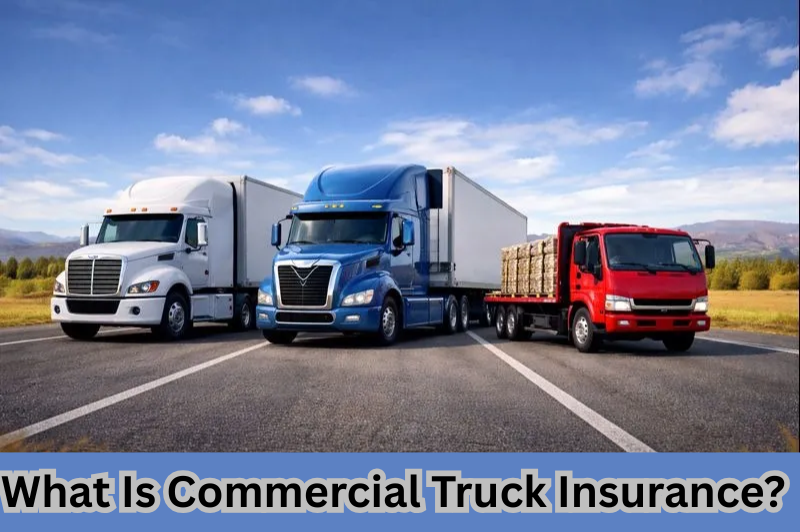
Commercial truck insurance is an essential financial safeguard for truck owners, fleet operators, and transport businesses in India. Whether you own a single goods carrier or manage a large fleet, the right insurance policy helps protect you from financial losses caused by accidents, theft, natural disasters, and third-party liabilities.
This guide explains what commercial truck insurance is, how it works, the types of coverage available, factors affecting premiums, and practical tips for choosing the right policy. By the end, you’ll have a clear understanding of how to protect your commercial vehicle while staying compliant with Indian regulations.
What Is Commercial Truck Insurance?
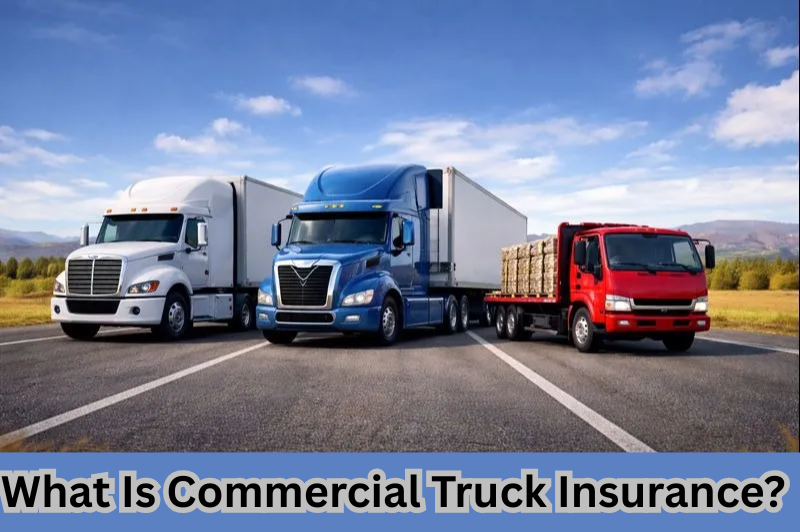
Commercial truck insurance is a motor insurance policy designed specifically for trucks used for business purposes. It provides financial protection against damages to the insured truck, legal liabilities arising from accidents involving third parties, and other covered risks.
Under the Motor Vehicles Act, 1988, every commercial vehicle operating on public roads in India must have at least a valid third-party insurance policy. While third-party insurance is mandatory, many truck owners choose comprehensive coverage for broader financial protection.
Commercial Truck Insurance Typically Covers
- Third-party injury or property damage
- Damage to the insured truck due to accidents
- Fire and explosion
- Theft of the insured vehicle
- Natural disasters such as floods, storms, earthquakes, and cyclones
- Man-made events including riots and vandalism (subject to policy terms)
Why Is Commercial Truck Insurance Important?
Commercial trucks are valuable business assets. A single accident can result in expensive repair bills, legal claims, or business interruptions. Insurance helps reduce these financial risks.
Key Benefits
Financial Protection
Repairing a heavy commercial vehicle can be expensive. Insurance helps cover eligible repair costs and minimizes unexpected expenses.
Legal Compliance
Third-party insurance is mandatory in India. Driving without valid insurance can result in fines, penalties, or legal consequences.
Business Continuity
Unexpected vehicle damage can interrupt deliveries and affect business operations. Comprehensive insurance helps businesses recover faster after covered incidents.
Protection Against Liability
If your truck causes injury to another person or damages someone else’s property, liability coverage helps pay eligible legal and compensation costs according to the policy.
Types of Commercial Truck Insurance
Understanding the available policy options helps you choose coverage that matches your business needs.
1. Third-Party Insurance
This is the minimum insurance required by Indian law.
It generally covers:
- Third-party bodily injuries
- Death of a third party
- Third-party property damage (subject to applicable limits)
However, it does not cover damage to your own truck.
Best for:
- Businesses seeking basic legal compliance
- Older commercial vehicles with lower market value
2. Comprehensive Commercial Truck Insurance
Comprehensive insurance offers wider protection by combining third-party liability with own-damage coverage.
It generally includes protection against:
- Road accidents
- Fire
- Theft
- Floods and storms
- Natural disasters
- Vandalism
- Transit-related risks covered under the policy
This type of policy is suitable for businesses that rely heavily on their trucks for daily operations.
3. Own Damage Insurance
Own Damage (OD) insurance covers damage to your truck but does not replace mandatory third-party coverage.
It may cover:
- Collision damage
- Fire damage
- Theft
- Natural calamities
- Accidental damage
This option is generally available for vehicles that already have valid third-party insurance.
What Does Commercial Truck Insurance Cover?
Coverage varies depending on the insurer and policy selected, but comprehensive plans usually include the following.
| Coverage | Included in Comprehensive Policy |
|---|---|
| Third-party liability | ✔ Yes |
| Accidental damage | ✔ Yes |
| Fire damage | ✔ Yes |
| Theft | ✔ Yes |
| Flood and natural disasters | ✔ Yes |
| Riot and vandalism | ✔ Usually |
| Personal accident cover (if applicable) | ✔ May be included |
| Engine protection | Optional Add-on |
| Roadside assistance | Optional Add-on |
| Zero depreciation | Optional Add-on |
Always read the policy wording carefully to understand inclusions, exclusions, deductibles, and claim conditions.
Common Add-On Covers
Add-ons allow truck owners to customize their insurance according to operational requirements.
Zero Depreciation Cover
Normally, depreciation is deducted during claim settlement. This add-on reduces or removes depreciation deductions for eligible parts, resulting in higher claim payouts.
Engine Protection
Engine repairs caused by water ingress or lubricant leakage can be expensive. Engine protection may cover such repairs when included under the policy.
Roadside Assistance
This add-on provides support during emergencies such as:
- Battery failure
- Flat tyre
- Towing assistance
- Fuel delivery (subject to policy terms)
- Minor on-site repairs
Return to Invoice Cover
If the truck is declared a total loss or stolen, this add-on may compensate the difference between the insured declared value and the original invoice value, depending on policy terms.
Factors That Affect Commercial Truck Insurance Premiums
Insurance companies calculate premiums using several risk factors rather than a fixed price.
The most common factors include:
- Truck make and model
- Age of the vehicle
- Insured Declared Value (IDV)
- Type of cargo transported
- Geographical operating area
- Annual mileage
- Driver’s claim history
- Previous insurance claims
- Selected add-on covers
- Deductible amount
- Safety features installed in the vehicle
For example, a new heavy-duty truck carrying industrial equipment over long distances may attract a higher premium than a smaller truck used for local deliveries due to increased risk exposure.
How to Choose the Right Commercial Truck Insurance
Selecting the right policy requires more than comparing prices.
Consider the following steps:
- Assess your truck’s usage and operational risks.
- Compare policy features from multiple insurers.
- Check claim settlement processes and customer service.
- Review exclusions before purchasing.
- Select only the add-ons that provide real value.
- Ensure the Insured Declared Value (IDV) reflects your truck’s market value.
- Renew your policy before expiry to avoid coverage gaps.
A slightly higher premium may offer significantly better protection, making it a worthwhile investment for businesses that depend on their commercial vehicles.
How to File a Commercial Truck Insurance Claim
Filing a claim correctly improves the chances of a smooth and timely settlement. While procedures may vary by insurer, the general process is similar.
Step 1: Inform the Insurance Company
Report the incident as soon as possible through the insurer’s helpline, website, or mobile app. Delays in reporting may affect the claim process.
Step 2: Collect Evidence
Gather supporting documents, such as:
- Photos of the damaged truck
- Date, time, and location of the incident
- Driver’s licence
- Registration Certificate (RC)
- Insurance policy details
- Police report (if required)
Step 3: Vehicle Inspection
The insurer may appoint a surveyor to inspect the damage and estimate repair costs before repairs begin.
Step 4: Repair the Truck
Depending on your policy, you can use a network garage for cashless repairs or choose another workshop and seek reimbursement after submitting valid invoices.
Step 5: Claim Settlement
After document verification and assessment, the insurer processes the claim according to the policy’s terms and conditions.
What Commercial Truck Insurance Usually Does Not Cover
Understanding exclusions is just as important as understanding coverage.
Common exclusions include:
- Normal wear and tear
- Mechanical or electrical breakdowns not caused by an insured event
- Driving without a valid licence
- Driving under the influence of alcohol or prohibited substances
- Damage occurring outside the policy coverage
- Consequential losses not covered by the policy
- Using the truck for purposes not permitted under the policy
- War, nuclear risks, and other standard exclusions
Always review your policy wording to understand the exact exclusions.
Common Mistakes to Avoid
Many truck owners unknowingly reduce their coverage or face claim issues due to avoidable mistakes.
Avoid these common errors:
- Buying the cheapest policy without comparing benefits
- Choosing an incorrect Insured Declared Value (IDV)
- Ignoring useful add-on covers
- Failing to renew the policy on time
- Not reading policy exclusions
- Delaying claim notification
- Providing incomplete or incorrect information during purchase
Making informed decisions can save significant costs in the long run.
Tips to Reduce Your Commercial Truck Insurance Premium
Lower premiums don’t always mean less protection. Smart decisions can help reduce insurance costs while maintaining adequate coverage.
Consider these practical tips:
- Compare policies from multiple insurers.
- Maintain a good claim history whenever possible.
- Install approved anti-theft devices.
- Select only the add-ons you genuinely need.
- Renew your policy before it expires.
- Ensure drivers follow safe driving practices.
- Review your coverage annually as your business grows.
Internal Resources
To better manage your commercial vehicles, explore our related resources:
- [Your Truck Maintenance Guide]
- [Fleet Management Tips]
- [Roadside Assistance Guide]
- [Commercial Vehicle Financing Guide]
These articles can help you improve vehicle performance, reduce operating costs, and make informed decisions about managing your trucking business.
Trusted External Reference
For official information about motor vehicle regulations in India, refer to the Ministry of Road Transport & Highways (MoRTH). It provides reliable guidance on transport laws, commercial vehicle regulations, and road safety initiatives.
Frequently Asked Questions
1. Is commercial truck insurance mandatory in India?
Yes. Every commercial truck operating on public roads must have at least third-party motor insurance under Indian law. Comprehensive insurance is optional but offers broader financial protection by covering damage to your own truck in addition to third-party liabilities.
2. How is the premium for commercial truck insurance calculated?
Insurers consider several factors, including the truck’s age, make, model, Insured Declared Value (IDV), operating location, usage, claim history, and selected add-on covers. Higher-risk vehicles or operations generally attract higher premiums.
3. Can I transfer my commercial truck insurance when selling my vehicle?
Yes. In most cases, the insurance policy can be transferred to the new owner after completing the insurer’s required documentation and paying any applicable fees. Prompt transfer helps ensure continuous insurance coverage.
4. What documents are required to buy commercial truck insurance?
Typically, you’ll need the vehicle’s Registration Certificate (RC), previous insurance policy (if applicable), owner’s identity details, business information (where required), and vehicle specifications. Requirements may vary slightly between insurers.
5. Are goods carried inside the truck covered under commercial truck insurance?
Not necessarily. Standard commercial truck insurance mainly covers the vehicle and specified liabilities. Protection for transported goods usually requires a separate cargo or transit insurance policy, depending on the nature of the business.
Conclusion
Commercial truck insurance is more than a legal requirement—it’s an essential investment for protecting your business, drivers, and valuable vehicles. Choosing the right policy involves understanding coverage options, comparing insurers, selecting appropriate add-ons, and knowing the claim process before an emergency occurs.
Whether you own a single truck or manage a growing fleet, reviewing your insurance needs regularly helps ensure your business remains protected against unexpected financial losses. Compare policies carefully, read the terms, and choose coverage that matches your operational requirements rather than focusing solely on the lowest premium.
