

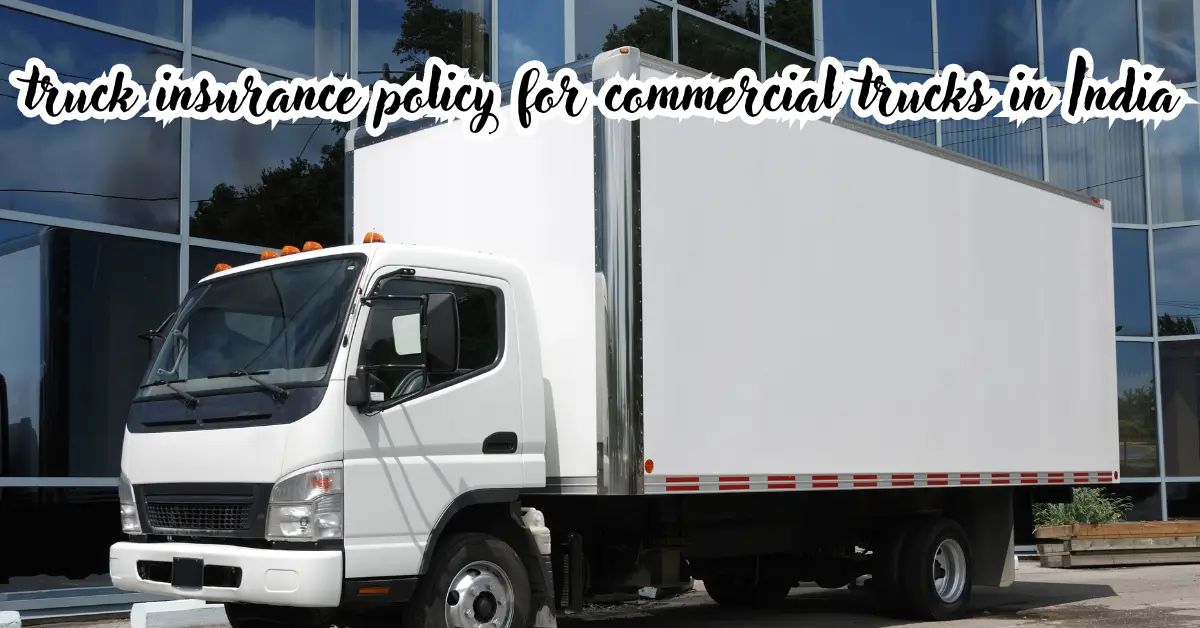
Truck insurance in India type of commercial vehicle insurance designed to protect trucks and their owners against financial losses arising from accidents, third-party liabilities, theft, natural disasters, and other covered risks. For Indian truck owners, choosing the right policy can help protect both the vehicle and the business that depends on it.
This guide explains how truck insurance works in India, the major types of policies available, what coverage usually includes, factors that influence premiums, how claims work, common exclusions, and practical tips for selecting suitable coverage.
Whether you own a light commercial truck, heavy goods vehicle, tipper, pickup, or another commercial vehicle, understanding your policy before purchasing it can prevent expensive surprises later.
What Is Truck Insurance?
Truck insurance is a commercial motor insurance policy that provides financial protection against specified risks involving a truck. Depending on the policy, protection can include third-party liability, damage to the insured truck, theft, fire, natural disasters, and certain additional risks.
A truck used for transporting goods is generally exposed to more risks than a private vehicle because it may travel long distances, carry valuable cargo, operate on busy highways, and work in different weather and road conditions.
A suitable insurance policy can help reduce the financial impact of unexpected incidents.
Why Is Truck Insurance Important in India?
Truck insurance is important for several reasons:
- It helps meet legal requirements for third-party motor insurance.
- It can protect the owner against covered vehicle damage.
- It can provide financial support after theft or certain disasters.
- It can protect against covered third-party liabilities.
- It helps reduce the financial disruption caused by major accidents.
- It can be particularly valuable for businesses that rely on trucks for daily transportation.
The exact protection depends on the policy, insurer, vehicle type, usage, and selected add-ons.
Types of Truck Insurance Policies
The two major categories of motor insurance relevant to commercial trucks are third-party liability insurance and comprehensive insurance.
1. Third-Party Truck Insurance
Third-party insurance primarily covers the policyholder’s legal liability toward third parties arising from an accident involving the insured vehicle.
It may cover eligible third-party bodily injury or death and property damage, subject to the applicable law and policy terms.
However, third-party insurance generally does not provide comprehensive protection for damage to the insured truck itself.
This makes it important to understand the difference between legal liability coverage and own-damage protection before selecting a policy.
2. Comprehensive Truck Insurance
A comprehensive policy can combine third-party liability protection with coverage for damage to the insured truck, subject to the policy’s terms, conditions, exclusions, and deductibles.
Depending on the policy, own-damage coverage may respond to events such as:
- Accidents
- Fire
- Theft
- Natural disasters
- Certain man-made events
- Other insured risks specified in the policy
Comprehensive coverage can therefore be more suitable for truck owners who want broader protection than third-party liability alone.
3. Standalone Own-Damage Cover
Some insurance arrangements may also provide standalone own-damage protection for the insured vehicle.
This type of coverage is focused on damage to the truck itself and works alongside the required third-party liability arrangement.
The availability and conditions can vary, so always check the current policy wording before purchasing.
What Does Truck Insurance Cover?
The coverage offered by a truck insurance policy depends on the plan selected. A comprehensive commercial vehicle policy may provide protection against several common risks.
Accidental Damage
If the insured truck is damaged in a covered accident, the insurer may pay eligible repair or replacement costs according to the policy terms.
For example, suppose a truck is involved in a road accident and its body panels, lights, or other insured components are damaged. If the incident falls within the policy’s coverage, the owner can initiate a claim.
Theft
Truck theft can create a significant financial burden for an owner or transport business.
Where theft is covered, the insurer may compensate the policyholder according to the policy’s terms and applicable claim assessment process.
Fire and Explosion
Many comprehensive policies provide protection against certain losses caused by fire or explosion.
The policy wording determines the circumstances under which a claim is payable.
Natural Disasters
Depending on the policy, coverage may include damage caused by events such as:
- Flood
- Storm
- Cyclone
- Earthquake
- Other specified natural events
This can be particularly relevant for trucks operating across different parts of India.
Third-Party Liability
Third-party liability protection is a major component of motor insurance.
If an insured truck causes covered third-party injury, death, or property damage, the policy can provide liability protection subject to the law and applicable terms.
Optional Add-Ons
Insurers may offer additional coverage options for commercial vehicles.
Depending on availability, these can include features such as:
- Personal accident cover
- Zero depreciation-related coverage
- Roadside assistance
- Engine-related protection
- Consumables cover
- Return-to-invoice-related benefits
- Legal liability extensions
- Coverage for specific accessories
Not every add-on is appropriate for every truck. The right choice depends on the vehicle, operating conditions, age, usage, and business requirements.
What Does Truck Insurance Usually Not Cover?
Insurance is not unlimited financial protection. Policies contain exclusions that identify situations where the insurer may not pay a claim.
Common exclusions can include:
- Driving without a valid licence
- Using the vehicle outside permitted usage
- Deliberate damage
- Certain mechanical or electrical breakdowns not caused by an insured event
- Normal wear and tear
- Driving under prohibited circumstances
- Fraudulent claims
- Certain consequential losses
- Damage falling outside the selected coverage
The exact exclusions vary between policies.
Always read the policy wording, exclusions, deductibles, and conditions instead of assuming that comprehensive insurance covers everything.
How Much Does Truck Insurance Cost in India?
The cost of truck insurance does not have one fixed price. The premium can vary substantially depending on the vehicle and policy.
Important factors include:
1. Truck Type
A small commercial truck and a heavy goods vehicle can have different insurance requirements and premiums.
2. Vehicle Value
The insured value of the vehicle can influence the premium. For own-damage coverage, the declared insured value is an important factor.
3. Age of the Truck
Older and newer trucks can have different risk profiles and insurance pricing.
4. Location
The truck’s registration and operating area can influence pricing because risk levels may differ between locations.
5. Usage
A truck regularly travelling long distances may have different risk exposure from a vehicle operating within a limited area.
6. Coverage Selected
A basic third-party policy and a broader comprehensive policy do not provide the same protection, so their costs can differ.
7. Claims History
Past claims and the policyholder’s eligibility for applicable discounts can affect the premium.
8. Deductibles
The deductible is the portion of an eligible claim that the policyholder must bear according to the policy.
A higher voluntary deductible can sometimes affect the premium, but owners should avoid choosing a deductible they cannot comfortably afford during a claim.
How to Choose the Best Truck Insurance Policy
The cheapest policy is not necessarily the best policy. A better approach is to compare coverage, exclusions, deductibles, claim procedures, and service quality.
Step 1: Identify Your Truck’s Requirements
Before comparing policies, note:
- Truck type
- Age
- Registration details
- Typical routes
- Goods carried
- Approximate usage
- Existing insurance
- Previous claims
This information makes it easier to determine what coverage is actually relevant.
Step 2: Compare Coverage, Not Just Premiums
Two policies may have different prices because they offer different protection.
Compare:
- Third-party liability
- Own-damage protection
- Theft coverage
- Natural disaster coverage
- Deductibles
- Add-ons
- Exclusions
- Claim conditions
Step 3: Check the Insured Declared Value
For applicable own-damage policies, review the Insured Declared Value (IDV) carefully.
Do not select a policy simply because it has a lower premium. The insured value and coverage should make sense for the vehicle.
Step 4: Review the Claim Process
Before buying insurance, find out:
- How claims are reported
- What documents are required
- Whether cashless repair facilities are available
- How vehicle inspections are handled
- How the insurer communicates claim updates
A straightforward claims process can be valuable when the truck is off the road.
Step 5: Check the Network of Garages
If the insurer provides a network of cashless garages, check whether suitable facilities are available in locations relevant to your truck’s regular routes.
Step 6: Read the Fine Print
Pay particular attention to:
- Exclusions
- Deductibles
- Coverage limits
- Conditions
- Permitted vehicle use
- Claim documentation
- Add-on terms
This step can prevent misunderstandings later.
How to File a Truck Insurance Claim
If your truck is involved in an accident or another insured event, report the incident to the insurer as soon as reasonably possible and follow its claim procedure.
Basic Claim Process
- Ensure immediate safety. Move to a safe location when possible and deal with emergencies first.
- Inform the insurer. Report the incident using the insurer’s official claim channel.
- Report to authorities when required. For theft, serious accidents, or other situations where a police report is applicable, follow the appropriate legal procedure.
- Document the incident. Take useful photographs and preserve relevant information where it is safe to do so.
- Submit documents. Provide the requested policy and vehicle documents.
- Vehicle inspection. The insurer may arrange an inspection or assessment.
- Repair or settlement. Follow the insurer’s instructions regarding repairs and settlement.
- Keep records. Save claim numbers, receipts, reports, and communications.
Do not make repairs or dispose of damaged parts before following the insurer’s claim instructions unless emergency circumstances require immediate action.
Documents Commonly Needed for Truck Insurance Claims
The exact requirements depend on the insurer and claim type, but documents can include:
- Insurance policy details
- Registration certificate
- Driving licence
- Claim form
- Vehicle-related documents
- Repair estimates or invoices
- Police report or FIR where applicable
- Photographs of the damage
- Permit or fitness documents where relevant
- Other documents requested by the insurer
Keeping commercial vehicle records organized can make the claims process easier.
Truck Insurance vs Commercial Vehicle Insurance
The terms can sometimes be used interchangeably in everyday discussions, but commercial vehicle insurance is the broader category.
Truck insurance generally refers to insurance for trucks used commercially, while commercial vehicle insurance can cover a wider range of vehicles used for business purposes.
Examples include:
| Feature | Truck Insurance | Commercial Vehicle Insurance |
| Main purpose | Protect a commercial truck | Protect various commercial vehicles |
| Vehicle type | Trucks and goods vehicles | Trucks, taxis, buses, vans and other eligible vehicles |
| Third-party liability | Available according to policy/law | Available according to policy/law |
| Own-damage cover | Available with suitable policy | Available with suitable policy |
| Add-ons | Depends on insurer | Depends on vehicle and insurer |
| Premium | Depends on truck risk factors | Depends on vehicle and risk factors |
The policy should always match the actual vehicle and its permitted use.
Benefits of Having Suitable Truck Insurance
A well-selected policy can offer several practical advantages.
Financial Protection
Major accidents, theft, and other insured events can result in substantial expenses. Insurance can transfer certain covered financial risks to the insurer.
Legal Compliance
Third-party motor insurance is a legal requirement for vehicles operating on Indian roads. Owners should ensure that their policy remains valid and meets applicable requirements.
Business Continuity
For transport operators, a truck is often an income-generating asset. Insurance can help manage eligible repair or loss costs after covered incidents.
Protection Against Unexpected Risks
Trucks may travel through areas exposed to different road, traffic, and weather conditions. Suitable coverage can provide broader financial protection against specified risks.
Common Truck Insurance Mistakes to Avoid
Even a good insurance policy can become less useful if the owner ignores important conditions.
Choosing Only on Price
A low premium may come with narrower coverage, higher deductibles, or fewer useful features.
Ignoring Policy Exclusions
Many disputes arise because policyholders assume something is covered when it is actually excluded.
Giving Incorrect Information
Incorrect vehicle details, usage information, or other material information can create problems during underwriting or claims.
Letting the Policy Expire
An expired policy can expose the owner to legal and financial risks. Track the renewal date and arrange renewal in advance.
Not Updating Vehicle Details
Changes to relevant vehicle or ownership information should be handled according to the insurer’s requirements.
Buying Unnecessary Add-Ons
More coverage is not automatically better. An add-on should solve a real risk relevant to your truck.
Not Keeping Documents Ready
Missing or outdated documents can make an already stressful claim process more difficult.
How to Reduce Truck Insurance Costs Without Sacrificing Important Coverage
Saving money on insurance should not mean removing essential protection.
Consider these practical approaches:
- Compare quotes from multiple insurers.
- Maintain a good claims history where possible.
- Choose only useful add-ons.
- Review deductibles carefully.
- Keep vehicle and registration details accurate.
- Renew on time.
- Ask the insurer which discounts or eligible benefits apply.
- Avoid selecting a policy based solely on the lowest price.
The goal is value for money, not simply the lowest premium.
Tips for Truck Owners in India
Truck owners can make their insurance more effective by taking a few simple steps.
Keep the Policy Information Accessible
Store digital and physical copies of important insurance documents where they can be accessed when needed.
Check Policy Validity Regularly
Do not wait until a document is required to discover that the policy has expired.
Train Drivers on Compliance
Drivers should carry valid documents and operate the vehicle according to applicable requirements and the policy’s permitted usage.
Maintain the Truck Properly
Regular maintenance does not replace insurance, but it can help reduce avoidable operational problems.
Understand Your Deductible
Know how much you may need to pay yourself when an eligible claim is settled.
Review Coverage When Circumstances Change
If the truck’s use, ownership, routes, or other relevant circumstances change, review whether the existing insurance remains appropriate.
For more useful information about truck ownership and maintenance, explore our guides on truck mechanic near me mobile and truck mechanic Albany Creek. These resources can help truck owners understand repair, maintenance, and roadside service options alongside truck insurance. For official information about insurance regulations and consumer guidance in India, visit the Insurance Regulatory and Development Authority of India (IRDAI).
Frequently Asked Questions About Truck Insurance
1. What is truck insurance in India?
Truck insurance is commercial motor insurance designed for trucks and goods-carrying vehicles. Depending on the selected policy, it can provide third-party liability protection and coverage for damage to the insured vehicle caused by specified events such as accidents, theft, fire, or natural disasters. Coverage, exclusions, and conditions vary by policy.
2. Is truck insurance mandatory in India?
Third-party motor insurance is legally required for vehicles operating on Indian roads. However, the exact coverage requirements and applicable rules depend on current Indian motor insurance law and the vehicle’s circumstances. Truck owners should maintain valid insurance and verify current requirements with an authorized insurer or IRDAI.
3. Does truck insurance cover theft?
Many comprehensive motor insurance policies provide coverage for theft of the insured vehicle, subject to policy terms and conditions. A theft claim may require specific documentation and reporting to the appropriate authorities. Owners should review their policy wording carefully to understand the claim procedure and applicable requirements.
4. What affects the cost of truck insurance?
Truck insurance premiums can depend on factors such as vehicle type, age, insured value, location, usage, coverage selected, claims history, deductibles, and applicable discounts. Because every truck has a different risk profile, there is no single premium that applies to all commercial trucks.
5. How can I choose the right truck insurance policy?
Start by identifying your truck’s actual risks and usage. Then compare third-party liability, own-damage coverage, insured value, deductibles, exclusions, add-ons, garage networks, and claim procedures. Do not choose solely by price. A slightly more expensive policy can provide better value if it offers protection that is genuinely useful for your operation.
Conclusion
Truck insurance is an important part of responsible truck ownership in India. It can provide financial protection against covered accidents, third-party liabilities, theft, fire, natural disasters, and other specified risks, depending on the policy selected.
The best policy is not necessarily the cheapest one. Truck owners should compare coverage, exclusions, deductibles, insured value, add-ons, claim procedures, and insurer support before making a decision.
Before purchasing or renewing your policy, identify how the truck is used, review the risks it faces, compare suitable policies, and read the policy wording carefully. If you are unsure about a legal or regulatory requirement, confirm the latest information with an authorized insurer or IRDAI.
