

Introduction
Semi truck is a powerful commercial vehicle designed to transport heavy loads over short and long distances. These trucks play an important role in logistics, freight transportation, construction, and supply chain industries. This guide explains what a semi truck is, how it works, different types, advantages, limitations, maintenance requirements, and important factors businesses should consider before using one.
Unlike regular trucks, a semi truck is built with a detachable trailer system that allows businesses to transport large quantities of goods efficiently. The combination of a tractor unit and trailer provides flexibility, making semi trucks popular for moving industrial equipment, agricultural products, manufactured goods, and other heavy cargo.
In India, the demand for heavy commercial vehicles continues to grow because of expanding logistics networks, e-commerce deliveries, infrastructure projects, and industrial transportation needs. Understanding semi trucks helps fleet owners, transport companies, and businesses make better decisions when choosing vehicles for their operations.
This article covers everything beginners need to know about semi trucks, including their design, working system, benefits, challenges, maintenance practices, and future importance in modern transportation.
What Is a Semi Truck?
A semi truck is a heavy-duty commercial vehicle consisting of a tractor unit and a semi-trailer. The tractor contains the engine, driver cabin, transmission system, and controls, while the trailer carries the cargo.
The word “semi” refers to the trailer because it does not have front wheels. Instead, the front part of the trailer rests on the tractor through a connection called a fifth wheel coupling.
A semi truck is also commonly known as:
- Tractor-trailer
- Semi-trailer truck
- Heavy truck
- Big rig
- 18-wheeler (in some countries)
The main purpose of a truck is to transport large amounts of goods efficiently while reducing transportation costs per unit of cargo.
How Does a Semi Truck Work?
A semi truck works by combining engine power, transmission control, and trailer support to move heavy loads safely. The tractor provides the driving force, while the trailer carries the cargo.
The major working components include:
Engine System
Semi trucks use powerful diesel engines designed to produce high torque. High torque allows the vehicle to pull extremely heavy loads, especially on highways and challenging roads.
Transmission System
Heavy trucks usually use advanced manual or automated transmission systems. These systems help drivers manage different speeds, road conditions, and load weights.
Fifth Wheel Connection
The fifth wheel connects the tractor and trailer. It allows the trailer to rotate smoothly while maintaining stability during driving.
Braking System
Semi trucks use advanced air brake systems that provide strong stopping power for heavy loads. Proper brake maintenance is essential for safety.
Suspension System
The suspension system supports the weight of the cargo and improves driving stability. It also reduces stress on vehicle components.
Different Types of Semi Trucks
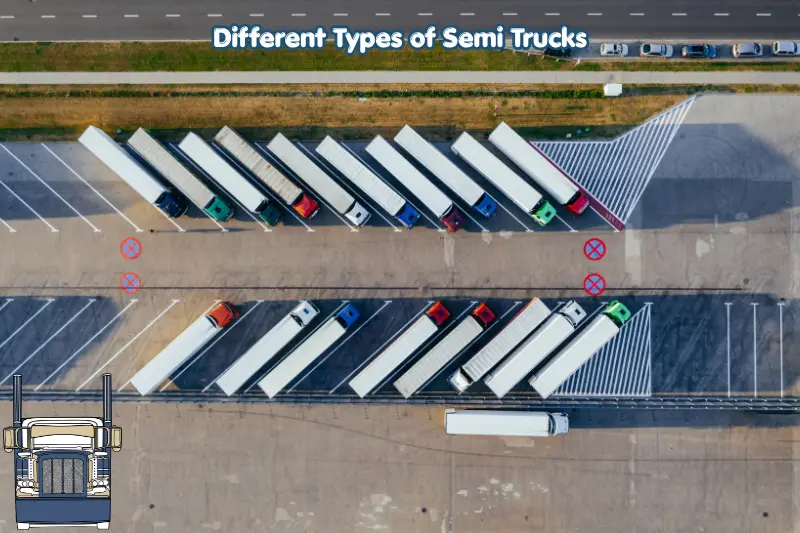
Semi trucks are available in different designs based on transportation requirements. Choosing the right type depends on cargo size, distance, and industry needs.
Flatbed Semi Truck
A flatbed semi truck has an open trailer platform without walls or a roof. It is commonly used for transporting:
- Construction materials
- Heavy machinery
- Steel products
- Large equipment
Flatbed trucks make loading and unloading easier because cargo can be accessed from multiple sides.
Refrigerated Semi Truck
A refrigerated truck, also called a reefer truck, includes a temperature-controlled trailer. These trucks are used for transporting:
- Food products
- Medicines
- Dairy items
- Frozen goods
Temperature control helps protect sensitive products during transportation.
Dry Van Semi Truck
Dry van semi are among the most common types. They use enclosed trailers to protect goods from weather conditions and theft.
They are commonly used for:
- Retail products
- Electronics
- Packaged goods
- Household items
Tanker Semi Truck
Tanker semi trucks are designed for transporting liquids and gases. They are commonly used in industries such as:
- Fuel transportation
- Chemical industries
- Food processing
These trucks require specialized safety standards because of the materials they carry.
Importance of Semi Trucks in Transportation
Semi are essential for modern supply chains because they provide efficient long-distance transportation solutions. Businesses depend on them to move products between manufacturers, warehouses, retailers, and customers.
Key benefits include:
Efficient Cargo Transportation
trucks can carry significantly more cargo compared with smaller commercial vehicles. This reduces the number of trips required to transport large shipments.
Cost Savings
Although purchasing and maintaining a truck requires investment, these vehicles can lower transportation costs when used for regular freight operations.
Flexible Usage
Businesses can attach different trailers according to their requirements. A company can use flatbed trailers, refrigerated trailers, or enclosed trailers with the same tractor unit.
Long-Distance Capability
Semi trucks are designed for highway travel and can operate over long distances while carrying heavy loads.
Semi Truck vs Regular Truck: Key Differences
| Feature | Semi Truck | Regular Truck |
|---|---|---|
| Cargo Capacity | Very high | Medium |
| Trailer System | Detachable trailer | Usually fixed body |
| Engine Power | Heavy-duty engine | Smaller engine |
| Main Use | Freight transportation | Local deliveries |
| Operating Cost | Higher | Lower |
Trucks are better suited for businesses that regularly transport large quantities of goods, while regular trucks are more practical for smaller deliveries.
Benefits of Using a Semi Truck for Businesses
A semi truck provides several advantages for companies involved in transportation and logistics.
Higher Productivity
Semi allow businesses to move more goods in a single journey, improving delivery efficiency.
Better Business Growth Opportunities
Companies with reliable heavy vehicles can expand their transportation services and handle larger contracts.
Improved Logistics Management
Semi support organized freight movement between suppliers, warehouses, and customers.
Suitable for Multiple Industries
Many industries depend on semi trucks, including:
- Manufacturing
- Agriculture
- Construction
- Retail
- Logistics companies
- Food distribution
Common Semi Truck Maintenance Requirements
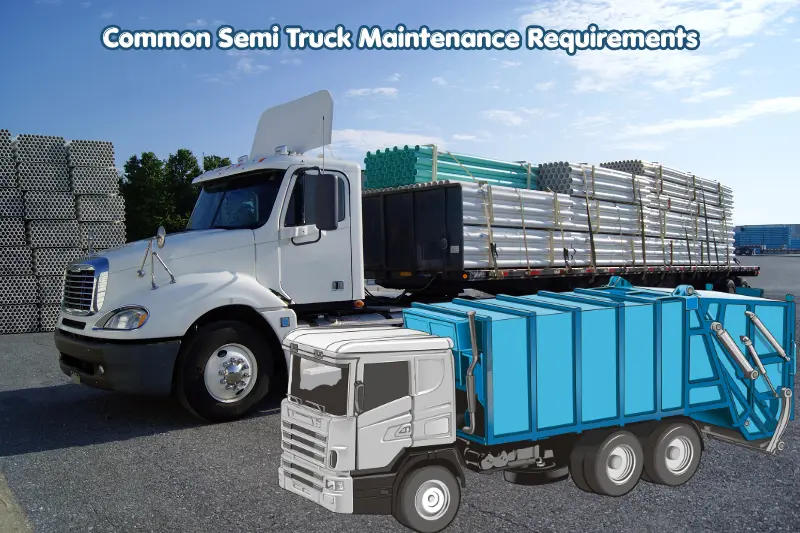
Proper maintenance keeps a semi truck reliable, safe, and efficient. Regular inspections can prevent expensive repairs and unexpected breakdowns.
Important maintenance areas include:
Engine Maintenance
The engine should be checked regularly for:
- Oil changes
- Filter replacement
- Cooling system inspection
- Fuel system problems
A well-maintained engine improves performance and fuel efficiency.
Tire Inspection
Heavy trucks experience significant tire pressure and weight stress. Regular tire checks help prevent accidents and improve fuel economy.
Brake System Checks
Brake inspections are critical because semi trucks carry heavy loads. Worn brake components should be replaced immediately.
Transmission Service
Transmission problems can lead to expensive repairs. Regular servicing helps maintain smooth operation.
Electrical System Maintenance
Modern semi use advanced electronic systems. Battery checks, wiring inspections, and sensor testing help avoid failures.
Semi Truck: Complete Guide to Understanding Trucks, Uses, Benefits, and Maintenance
Factors to Consider Before Buying a Semi Truck
Buying a truck is a major investment, especially for transport businesses. Before purchasing, companies should evaluate their operational needs, budget, and long-term goals.
Important factors include:
Purpose of Use
The first step is identifying how the semi truck will be used. Different industries require different truck configurations.
For example:
- Construction companies may need flatbed trucks.
- Food companies may require refrigerated semi trucks.
- Logistics businesses may prefer dry van trucks.
Choosing the correct type improves efficiency and reduces unnecessary expenses.
Fuel Efficiency
Fuel is one of the largest operating costs for heavy trucks. A fuel-efficient truck can significantly reduce long-term expenses.
Businesses should consider:
- Engine technology
- Driving conditions
- Load requirements
- Maintenance quality
Maintenance Availability
A semi truck requires regular servicing and professional repairs. Buyers should check whether spare parts and experienced mechanics are easily available in their operating area.
Operating Costs
The total cost of ownership includes:
- Purchase price
- Fuel expenses
- Insurance
- Repairs
- Driver costs
- Regular maintenance
A cheaper truck may become expensive if it requires frequent repairs.
Common Semi Truck Problems and Solutions
Like all heavy vehicles, semi can experience mechanical problems. Early detection helps prevent major breakdowns.
Engine Problems
Common engine issues include:
- Reduced power
- Excessive smoke
- Overheating
- Poor fuel efficiency
Regular oil changes, filter replacements, and professional inspections help maintain engine performance.
Brake Failures
Because semi carry heavy cargo, brake problems can create serious safety risks.
Preventive solutions include:
- Checking brake pads regularly
- Inspecting air brake systems
- Replacing damaged components
Transmission Issues
Transmission problems may cause:
- Difficulty changing gears
- Unusual noises
- Reduced vehicle performance
Routine transmission servicing can improve reliability.
Tire Wear
Uneven tire wear can affect safety and fuel consumption.
Drivers should regularly check:
- Tire pressure
- Alignment
- Tread condition
Tips for Improving Semi Truck Performance
Improving truck performance can reduce operating costs and increase vehicle lifespan.
Follow a Preventive Maintenance Schedule
Preventive maintenance is better than waiting for failures. Regular inspections help identify small problems before they become expensive repairs.
Train Drivers Properly
Driver behavior directly affects fuel consumption and vehicle condition.
Good driving practices include:
- Smooth acceleration
- Proper braking
- Avoiding unnecessary idling
- Following speed limits
Monitor Fuel Usage
Tracking fuel consumption helps identify mechanical problems and improve operational efficiency.
Use Quality Parts
Using reliable replacement parts improves safety and reduces repeated repairs.
Role of Technology in Modern Semi Trucks
Technology has transformed the trucking industry by improving safety, efficiency, and fleet management.
Modern trucks may include:
GPS Tracking Systems
GPS technology helps companies monitor vehicle location, delivery routes, and driver activity.
Fleet Management Software
Businesses use software platforms to manage:
- Vehicle maintenance schedules
- Fuel reports
- Driver performance
- Delivery tracking
Safety Features
Newer trucks may include advanced safety systems such as:
- Collision warning systems
- Lane monitoring technology
- Electronic stability control
These features help reduce risks on the road.
Semi Trucks in India’s Transportation Industry
India has a growing transportation sector where heavy commercial vehicles play an important role in moving goods across states and industrial areas.
Semi can support industries such as:
- Manufacturing
- Agriculture
- Infrastructure development
- E-commerce logistics
- Export and import businesses
With increasing demand for faster deliveries and better supply chains, efficient heavy vehicles continue to be valuable for businesses.
Companies operating trucks in India should focus on:
- Regular maintenance
- Driver safety training
- Route planning
- Compliance with transportation regulations
For official information about commercial vehicle safety and transportation regulations, businesses can refer to resources from the Ministry of Road Transport and Highways.
Common Mistakes Semi Truck Owners Should Avoid
Many operational problems happen because of poor management practices. Avoiding these mistakes can save money and improve reliability.
Ignoring Regular Maintenance
Skipping maintenance may reduce short-term expenses but can lead to costly breakdowns later.
Overloading the Trailer
Carrying more weight than recommended can damage:
- Engine components
- Tires
- Suspension systems
- Brakes
Poor Driver Training
Untrained drivers may increase fuel consumption and cause unnecessary vehicle wear.
Delaying Repairs
Small mechanical issues can quickly become major failures if ignored.
Using Low-Quality Parts
Cheap parts may fail faster and create safety problems.
Future of Semi Trucks
The future of trucks is changing with improvements in technology, automation, and environmental solutions.
Future developments may include:
Electric Semi Trucks
Electric heavy trucks are being developed to reduce emissions and operating costs. Battery technology improvements may increase their use in freight transportation.
Autonomous Driving Technology
Self-driving technology is being tested to improve transportation efficiency and safety. However, widespread adoption depends on regulations, infrastructure, and safety testing.
Smart Fleet Management
Businesses are increasingly using digital tools to optimize routes, monitor vehicles, and reduce operating expenses.
Internal Linking Opportunity
Want to improve your transportation business? Read our guides on Fleet Management Software, Truck Maintenance Guide, Logistics Management Solutions, and GPS Vehicle Tracking Systems to learn how to improve fleet efficiency, reduce operating costs, and keep your semi trucks running smoothly.
For official information on commercial vehicle regulations, road safety standards, and transport policies, visit the Ministry of Road Transport and Highways (MoRTH). It provides reliable information on transport rules, vehicle regulations, road safety initiatives, and commercial transportation across India.
Frequently Asked Questions About Semi Trucks
What is a semi truck used for?
A semi is mainly used for transporting heavy cargo over short and long distances. It is commonly used in logistics, manufacturing, construction, agriculture, and retail industries because it can carry large quantities of goods efficiently.
How much weight can a semi truck carry?
The carrying capacity of a semi truck depends on the truck design, trailer type, road regulations, and local transportation laws. Different countries have specific weight limits to ensure road safety and infrastructure protection.
Are semi trucks suitable for small businesses?
Yes, semi trucks can be useful for small businesses that regularly transport large shipments. However, owners should carefully calculate purchase costs, maintenance expenses, fuel requirements, and expected income before investing.
How often should a semi truck be serviced?
Service frequency depends on the truck model, mileage, operating conditions, and manufacturer recommendations. Regular inspections, oil changes, brake checks, and tire maintenance help keep the vehicle reliable.
What is the difference between a semi truck and a trailer?
A semi truck includes the tractor unit with the engine and driver cabin, while a trailer is the cargo-carrying section attached to it. Together, they create a complete tractor-trailer combination.
Conclusion
truck vehicles are essential for modern freight transportation because they provide powerful, flexible, and efficient solutions for moving heavy cargo. From logistics companies to manufacturing businesses, these trucks help industries transport products safely across long distances.
Understanding different semi truck types, maintenance requirements, operating costs, and technology features helps businesses make smarter transportation decisions. Regular servicing, trained drivers, and proper fleet management are key factors for achieving better performance and reducing expenses.
For businesses planning to invest in heavy transportation, selecting the right truck based on cargo needs and operational goals is the most important step toward long-term success.
