

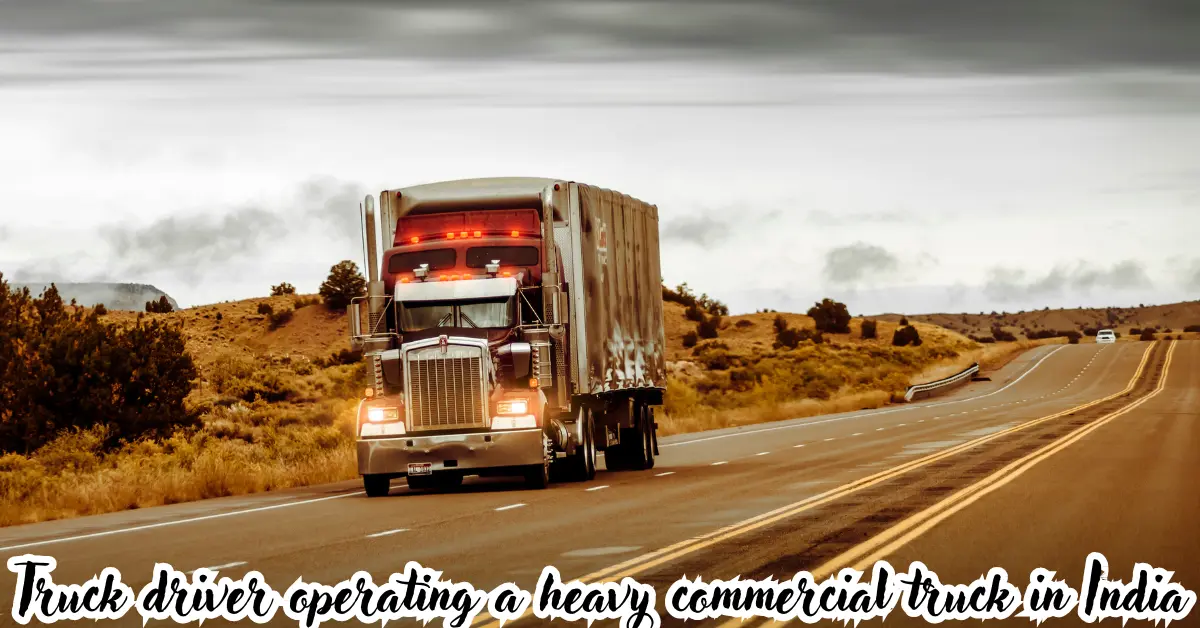
Truck driver is a professional who operates a truck or heavy commercial vehicle to transport goods from one location to another. In India, truck drivers play an important role in moving food, construction materials, industrial products, machinery, consumer goods, and other essential cargo between cities, states, ports, warehouses, factories, and businesses.
A career as a truck driver requires more than simply knowing how to operate a large vehicle. Drivers need a valid licence, road awareness, vehicle-control skills, knowledge of traffic rules, patience, basic mechanical understanding, and the ability to manage long journeys responsibly.
This guide explains what a truck driver does, the skills required, how to start the career in India, the benefits and challenges, safety practices, common mistakes, and practical tips for becoming a dependable professional driver.
What Is a Truck Driver?
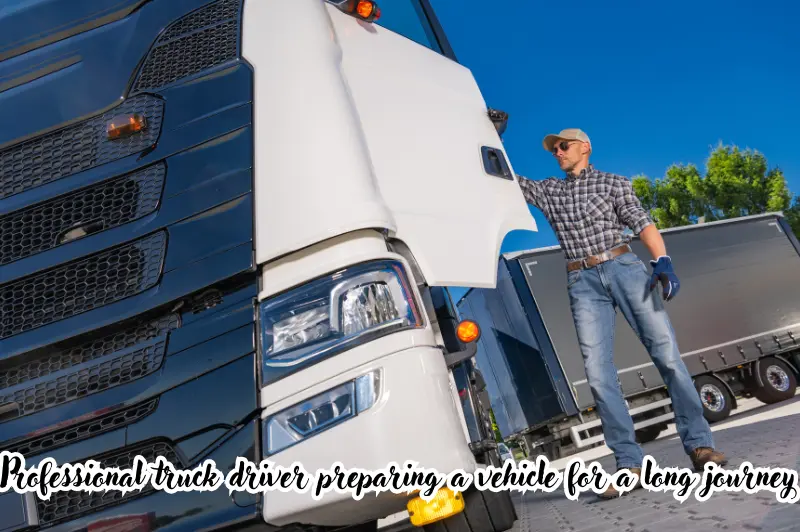
A truck driver is a trained professional who drives a truck or other commercial goods vehicle to transport cargo safely and efficiently.
Depending on the type of vehicle and job, a driver may operate:
- Light commercial vehicles
- Medium goods vehicles
- Heavy goods vehicles
- Rigid trucks
- Multi-axle trucks
- Tractor-trailers
- Tankers
- Refrigerated trucks
- Container trucks
- Tippers and specialized vehicles
The exact licence category, eligibility requirements, and operating rules can vary according to the vehicle and applicable Indian regulations.
A professional driver is responsible not only for reaching the destination but also for protecting the vehicle, cargo, passengers where applicable, and other road users.
What Does a Truck Driver Do?
The main responsibility of a truck driver is to transport goods safely from the pickup location to the delivery point. However, the job usually involves several responsibilities before, during, and after a journey.
1. Inspect the Truck Before Driving
A driver should check the vehicle before starting a trip. Important checks can include:
- Tyres and tyre condition
- Brakes
- Headlights and indicators
- Mirrors
- Horn
- Windshield and wipers
- Fluid levels
- Fuel
- Safety equipment
- Cargo security
A basic inspection can help identify problems before the vehicle enters traffic.
2. Load and Secure Cargo Properly
Depending on the job, a driver may assist with loading or verify that the cargo has been loaded correctly.
Cargo should be distributed appropriately and secured according to the vehicle and load requirements. Poorly secured goods can shift during braking, cornering, or sudden changes in speed.
3. Follow the Planned Route
Truck drivers often travel between cities and states. They need to understand the planned route, road conditions, restrictions, toll locations, rest opportunities, and delivery requirements.
Navigation technology can help, but professional drivers should not depend blindly on a navigation app. A route suggested for a car may not always be suitable for a large commercial vehicle.
4. Deliver Goods Safely
At the destination, the driver may need to coordinate with warehouse staff, customers, logistics teams, or site personnel.
The driver may also need to complete delivery documentation, confirm cargo handover, and report any issues affecting the shipment.
5. Maintain Basic Vehicle Awareness
A truck driver does not necessarily need to be a qualified mechanic, but basic mechanical knowledge is valuable.
Understanding warning signs such as unusual tyre behavior, brake problems, overheating, fluid leaks, or abnormal engine sounds can help a driver recognize when professional assistance is needed.
How to Become a Truck Driver in India

Becoming a professional truck driver requires proper training, licensing, practical experience, and responsible road behavior.
Step 1: Meet the Applicable Eligibility Requirements
Start by checking the current eligibility rules for the class of commercial vehicle you intend to drive.
Requirements can involve age, documentation, medical fitness, licensing category, and other conditions established by the relevant transport authorities.
Step 2: Obtain the Appropriate Driving Licence
A person intending to operate a commercial goods vehicle needs the appropriate driving licence for the vehicle category.
Do not assume that a licence for one type of vehicle automatically authorizes operation of every type of truck.
For official information about driving licences and transport-related services in India, check the Government of India’s Parivahan Sewa portal.
Step 3: Learn Professional Truck Handling
Driving a heavy vehicle is different from driving a small car.
A new driver should develop skills such as:
- Wide-turn management
- Safe braking
- Mirror usage
- Reversing
- Blind-spot awareness
- Hill driving
- Safe overtaking decisions
- Parking
- Vehicle positioning
- Cargo awareness
Professional training can make this learning process safer and more structured.
Step 4: Gain Practical Experience
Experience matters greatly in truck driving.
New drivers can gradually develop confidence by learning under appropriate supervision and by operating vehicles suitable for their current skill level.
Experience should focus on safe decision-making rather than simply accumulating kilometres.
Step 5: Build a Professional Driving Record
A dependable truck driver should develop a reputation for:
- Safe driving
- Timely communication
- Proper vehicle care
- Reliable delivery
- Professional behavior
- Compliance with traffic rules
- Responsible cargo handling
These qualities can help a driver build long-term employment opportunities.
Essential Skills Every Truck Driver Needs
Driving skill is only one part of professional truck operation.
Vehicle-Control Skills
A heavy truck requires careful control because it has greater size, weight, stopping requirements, and turning characteristics than a passenger car.
Drivers should understand:
- Braking distance
- Turning radius
- Vehicle dimensions
- Reversing limitations
- Blind spots
- Load effects
- Road gradients
Defensive Driving
Defensive driving means anticipating potential hazards instead of reacting only after something goes wrong.
A driver should watch for:
- Sudden lane changes
- Pedestrians
- Motorcycles
- Animals
- Poorly marked roads
- Stationary vehicles
- Sudden braking
- Road construction
- Weather-related hazards
Communication Skills
Truck drivers frequently interact with transport managers, dispatchers, warehouse staff, customers, mechanics, toll operators, and other drivers.
Clear communication can reduce misunderstandings about delivery schedules, routes, loading, unloading, and vehicle problems.
Basic Mechanical Knowledge
A driver should recognize basic warning signs even when they cannot repair the problem.
Knowing when to stop and request qualified assistance is more important than attempting an unsafe roadside repair.
Navigation and Planning
Good route planning can reduce unnecessary delays and help drivers prepare for road restrictions, traffic, weather, fuel requirements, and delivery windows.
Benefits of Working as a Truck Driver
A career as a truck driver can offer several advantages, particularly for people who enjoy practical work and spending time on the road.
Employment Opportunities
India has a large logistics and transportation sector, creating demand for people who can safely operate commercial vehicles.
Opportunities may exist with:
- Logistics companies
- Transport operators
- Manufacturing businesses
- Construction companies
- Distribution companies
- E-commerce logistics providers
- Agricultural supply chains
- Fleet operators
Different Types of Driving Jobs
Drivers can specialize in different types of vehicles and cargo.
For example, someone may eventually work with container transport, construction vehicles, refrigerated transportation, long-distance freight, or other specialized operations depending on qualifications and available opportunities.
Opportunity to Develop Specialized Skills
Experience with specific truck types, routes, cargo, or transport operations can help a driver build specialized professional knowledge.
Independence and Practical Work
Truck driving can suit people who prefer practical, active work instead of spending most of their working day at a desk.
Challenges of Being a Truck Driver
Truck driving also has significant challenges, and prospective drivers should understand them before choosing the career.
Long Hours on the Road
Some routes can involve extended periods of driving and time away from home. Work schedules can vary significantly by employer, route, cargo, and transport operation.
Traffic and Road Conditions
Indian roads can present changing conditions, including congestion, construction, narrow roads, mixed traffic, weather changes, and unpredictable road users.
Professional drivers need patience and constant attention.
Vehicle Maintenance Responsibilities
A truck may require regular maintenance and inspections. Ignoring warning signs can turn a small problem into a serious mechanical issue.
Delivery Pressure
Drivers may face pressure to meet delivery schedules. However, a delivery deadline should never become a reason to drive dangerously, violate traffic rules, or continue driving when a driver is not fit to do so.
Time Away From Family
Long-distance work can mean spending substantial time away from home. Drivers should consider this lifestyle factor when evaluating job offers.
Truck Driver Salary in India: What Affects Pay?
There is no single salary that applies to every truck driver in India. Earnings can vary based on location, experience, vehicle type, employer, route, cargo, distance, payment structure, and other employment conditions.
Factors that may influence compensation include:
- Driving experience
- Type of truck
- Long-distance versus local routes
- Specialized cargo
- Employer and fleet size
- Number and nature of trips
- Location
- Responsibilities beyond driving
- Employment benefits and allowances
Instead of choosing a job based only on the advertised amount, drivers should understand the complete compensation structure, working hours, allowances, accommodation arrangements where applicable, and other employment conditions.
Truck Driver Safety Tips
Safety should always come before speed or delivery pressure.
Inspect the Vehicle Before Every Journey
Do not ignore basic safety checks. If something appears unsafe, report the issue and seek appropriate professional assistance before continuing.
Maintain a Safe Following Distance
Heavy vehicles generally need more distance to slow down and stop than smaller vehicles. Leave sufficient space and increase the gap when road, traffic, or weather conditions require it.
Avoid Distracted Driving
Do not allow mobile phones, unnecessary conversations, food, or other distractions to take attention away from driving.
Use Mirrors Frequently
Large trucks have significant blind areas. Proper mirror use and deliberate observation can help a driver identify vehicles and road users around the truck.
Control Speed According to Conditions
A safe speed depends on more than the posted speed limit. Road surface, visibility, traffic, load, weather, curves, and vehicle condition all matter.
Take Rest Seriously
Fatigue can reduce concentration and reaction ability. Drivers should follow applicable rules and responsible work practices regarding driving hours and rest.
Secure Cargo Correctly
Unstable or poorly secured cargo can create serious risks during transportation. Cargo should be loaded and secured according to applicable requirements and the vehicle’s intended use.
Common Mistakes Truck Drivers Should Avoid
Even experienced drivers can develop unsafe habits. Some common mistakes include:
Ignoring Small Mechanical Problems
A warning light, unusual noise, tyre issue, or brake concern should not automatically be dismissed.
Driving Too Fast for the Situation
The legal speed limit is not always the safest speed for the current road conditions.
Following Other Vehicles Too Closely
Large trucks require adequate stopping space. Tailgating reduces the driver’s available reaction time.
Poor Mirror Discipline
A driver who does not regularly check mirrors can miss vehicles, motorcycles, or other road users in difficult-to-see areas.
Relying Completely on Navigation Apps
Navigation tools are useful, but drivers should consider truck size, road restrictions, bridge limitations, local conditions, and the suitability of the route.
Skipping Rest
Trying to save time by continuing to drive while excessively tired can increase risk. Safe scheduling is part of professional driving.
How to Become a Better Truck Driver
Improvement comes from consistent habits rather than simply driving more kilometres.
1. Learn From Experienced Drivers
Observe safe professional practices and ask questions about vehicle handling, route planning, loading, and common road hazards.
2. Understand Your Truck
Learn the vehicle’s dimensions, controls, braking behavior, turning characteristics, mirrors, and warning indicators.
3. Improve Route Planning
Before leaving, review the route and identify potential issues such as difficult roads, traffic-heavy areas, fuel stops, delivery restrictions, and rest opportunities.
4. Keep Records
Maintain useful records for vehicle maintenance, fuel, deliveries, and other work-related requirements where appropriate.
5. Treat Safety as a Professional Skill
Safe driving is not merely about avoiding fines. It is part of protecting yourself, the cargo, the vehicle, and everyone sharing the road.
Truck Driver vs. Other Commercial Driving Roles
| Role | Main Work | Typical Vehicle Focus |
| Truck Driver | Transport goods | Trucks and heavy commercial vehicles |
| Delivery Driver | Local or regional deliveries | Vans, LCVs, small commercial vehicles |
| Bus Driver | Transport passengers | Buses |
| Fleet Driver | Drive vehicles for an organization | Depends on fleet |
| Specialized Driver | Transport specific cargo | Specialized commercial vehicles |
The exact duties and licensing requirements depend on the vehicle and employer.
If you are looking for more practical information about commercial vehicle maintenance, our guides can help you take better care of your truck. Learn more about truck mechanic near me mobile services, explore our guide to truck mechanic Albany Creek, and discover useful tips about truck repair, truck maintenance, and roadside truck assistance. These resources can help truck drivers understand common vehicle problems and find the right solution when professional support is needed.
For current information about driving licences, transport services, and applicable government processes in India, readers should verify requirements through the official Parivahan Sewa portal rather than relying on outdated third-party information.
Frequently Asked Questions About Truck Drivers
1. What does a truck driver do?
A truck driver operates a commercial truck to transport goods safely from one location to another. The job can also involve vehicle inspections, cargo checks, route planning, delivery documentation, communication with logistics teams, and reporting mechanical or operational problems.
2. What skills are important for a truck driver?
Important skills include vehicle control, defensive driving, road awareness, route planning, communication, patience, basic vehicle knowledge, cargo awareness, and safe decision-making. A professional driver should also understand how the truck behaves differently under different road, traffic, weather, and load conditions.
3. How can I become a truck driver in India?
Start by checking the current eligibility requirements for the relevant commercial vehicle category. Obtain the appropriate licence through the applicable process, complete suitable training, develop practical driving skills, and gain experience. Always verify current licensing requirements with the official Indian transport authorities.
4. Is truck driving a good career?
Truck driving can be a suitable career for people who enjoy practical work, vehicle operation, and travelling for work. However, it can also involve long hours, traffic, demanding road conditions, delivery pressure, and time away from family. Prospective drivers should consider both the advantages and lifestyle challenges before choosing the profession.
5. How can truck drivers improve road safety?
Truck drivers can improve safety by inspecting the vehicle, maintaining appropriate following distances, controlling speed according to conditions, checking mirrors frequently, avoiding distractions, securing cargo properly, following traffic rules, planning routes carefully, and taking adequate rest. Safety should remain more important than meeting an aggressive delivery schedule.
Conclusion: Building a Safe and Successful Truck Driving Career
A truck driver has an important role in India’s transportation and supply chain network. The profession requires much more than basic driving ability. Strong vehicle-control skills, defensive driving, route planning, communication, mechanical awareness, cargo safety, and responsible decision-making all contribute to professional performance.
For someone considering this career, the best starting point is to understand the correct licensing requirements, receive appropriate training, gain practical experience, and develop safe driving habits from the beginning.
For experienced drivers, continuous learning can improve safety, vehicle care, route efficiency, and professional opportunities.
Practical next step: If you are planning to become a truck driver in India, first identify the type of commercial vehicle you want to operate, check the current official licence requirements, and then look for suitable training and supervised driving experience.
