

Introduction
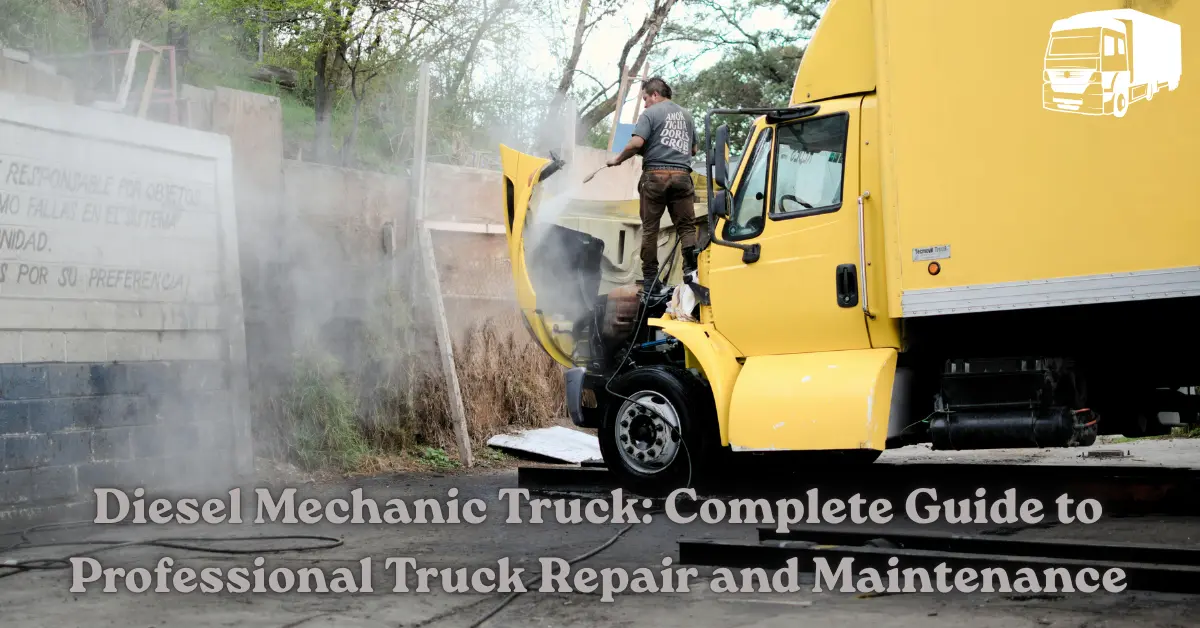
diesel mechanic truck services are essential for keeping commercial vehicles reliable, safe, and efficient. Diesel-powered trucks are built for demanding workloads, but they also require specialized maintenance and repairs to perform at their best. Whether you own a single truck or manage an entire fleet, working with a qualified diesel mechanic helps prevent breakdowns, improve fuel efficiency, and extend engine life.
A professional diesel mechanic has the expertise to diagnose complex engine problems, repair fuel systems, maintain braking systems, and perform preventive maintenance that keeps trucks operating smoothly. This guide explains everything you need to know about diesel mechanic truck services, including common repairs, maintenance schedules, benefits, practical tips, and how to choose the right mechanic.
What Is a Diesel Mechanic Truck?
A diesel mechanic truck specialist is a trained technician who repairs, services, and maintains diesel-powered commercial vehicles. Unlike general automotive mechanics, diesel mechanics focus on heavy-duty engines, advanced fuel injection systems, turbochargers, air brakes, transmissions, and electronic engine management systems.
These professionals work on a wide range of commercial vehicles, including:
- Heavy-duty trucks
- Delivery trucks
- Prime movers
- Construction vehicles
- Fleet trucks
- Utility vehicles
- Long-haul transport trucks
Their expertise ensures that diesel trucks remain roadworthy, efficient, and compliant with maintenance requirements.
Why Diesel Truck Maintenance Is Important

Routine maintenance is the key to reducing unexpected repairs and keeping trucks operating at peak performance.
Regular servicing provides several important advantages:
- Improves engine performance
- Increases fuel efficiency
- Extends engine lifespan
- Reduces operating costs
- Prevents major mechanical failures
- Improves driver safety
- Minimizes vehicle downtime
Ignoring regular maintenance can lead to expensive engine damage and reduced reliability.
Services Offered by a Diesel Mechanic Truck Specialist
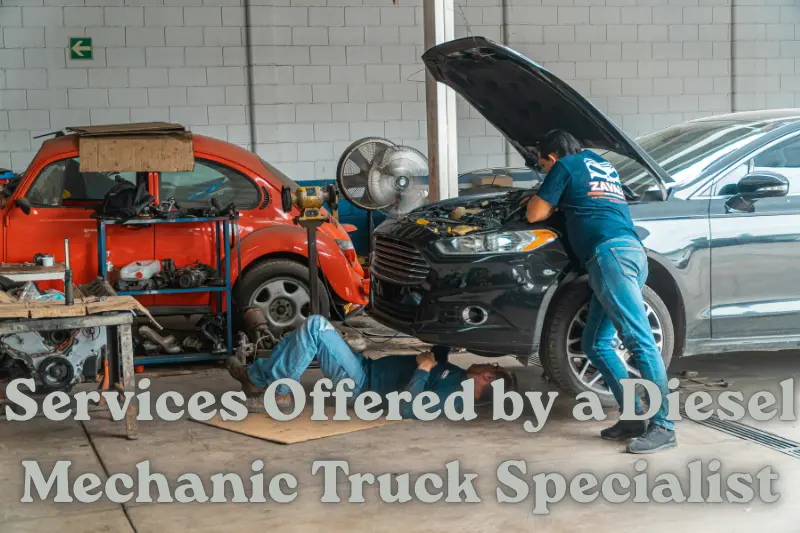
Professional diesel mechanics provide a complete range of maintenance and repair services.
Diesel Engine Diagnostics
Modern diesel engines use advanced electronic systems that require computerized diagnostics.
Typical diagnostic services include:
- Engine fault code scanning
- Performance testing
- Fuel system diagnostics
- Turbocharger inspection
- Cooling system analysis
- Emission system checks
Early diagnosis helps identify problems before they become major repairs.
Diesel Fuel System Repairs
The fuel system plays a critical role in engine performance.
Common fuel system services include:
- Fuel injector replacement
- High-pressure fuel pump repairs
- Fuel filter replacement
- Fuel line inspections
- Fuel tank cleaning
- Injector testing
A properly maintained fuel system improves power and fuel economy.
Turbocharger Repairs
Turbochargers improve engine efficiency by increasing airflow.
Mechanics inspect and repair:
- Turbochargers
- Boost leaks
- Intake systems
- Exhaust components
- Intercoolers
Maintaining the turbo system helps maximize engine performance.
Brake System Repairs
Commercial trucks rely on dependable braking systems.
Brake services commonly include:
- Brake pad replacement
- Brake disc inspection
- Air brake servicing
- Brake chamber repairs
- ABS diagnostics
- Brake line inspections
Routine brake maintenance is essential for road safety.
Transmission and Clutch Repairs
Heavy-duty transmissions operate under constant stress.
Diesel mechanics perform:
- Clutch replacement
- Gearbox repairs
- Transmission servicing
- Differential repairs
- Driveline inspections
Timely servicing reduces the risk of major transmission failures.
Electrical Diagnostics
Today’s diesel trucks contain sophisticated electrical systems.
Mechanics diagnose and repair:
- Batteries
- Starter motors
- Alternators
- Wiring faults
- Engine sensors
- Electronic control modules (ECMs)
Computerized diagnostics improve repair accuracy and reduce downtime.
Preventive Maintenance Services
Preventive maintenance keeps trucks operating efficiently throughout the year.
A typical service includes:
- Engine oil replacement
- Oil filter replacement
- Air filter inspection
- Fuel filter replacement
- Coolant testing
- Battery inspection
- Belt inspection
- Hose inspection
- Tire pressure checks
- Lubrication of moving components
Preventive maintenance reduces repair costs while improving vehicle reliability.
Common Signs Your Diesel Truck Needs Repairs
Recognizing early warning signs helps prevent expensive breakdowns.
Watch for:
- Engine warning lights
- Black or white exhaust smoke
- Oil leaks
- Poor fuel economy
- Difficulty starting
- Engine overheating
- Excessive vibration
- Reduced engine power
- Grinding noises
- Brake performance issues
Ignoring these symptoms often results in larger repair bills.
Benefits of Hiring a Professional Diesel Mechanic
Choosing an experienced diesel mechanic truck specialist offers several advantages.
Expert Knowledge
Diesel mechanics understand complex commercial vehicle systems that general mechanics may not.
Accurate Diagnostics
Modern scanning equipment quickly identifies mechanical and electrical faults.
Better Repair Quality
Experienced technicians perform repairs according to manufacturer recommendations.
Lower Long-Term Costs
Routine maintenance helps prevent expensive engine failures.
Improved Vehicle Reliability
Well-maintained trucks experience fewer breakdowns and remain productive.
Diesel Mechanic vs General Auto Mechanic
| Feature | Diesel Mechanic | General Mechanic |
|---|---|---|
| Diesel Engine Expertise | ✔ | Limited |
| Heavy Vehicle Repairs | ✔ | Limited |
| Turbocharger Repairs | ✔ | Sometimes |
| Air Brake Systems | ✔ | Rare |
| Fleet Maintenance | ✔ | Usually No |
A diesel mechanic has specialized training and equipment designed specifically for commercial diesel vehicles.
Routine Diesel Truck Maintenance Checklist
| Maintenance Item | Recommended Inspection |
|---|---|
| Engine Oil | Every scheduled service |
| Oil Filter | Replace during service |
| Air Filter | Inspect regularly |
| Fuel Filter | Replace when required |
| Coolant | Check regularly |
| Battery | Test periodically |
| Brake System | Routine inspection |
| Suspension | During servicing |
| Belts | Inspect regularly |
| Tires | Weekly inspection |
Following a maintenance schedule helps maximize truck performance while reducing downtime.
Practical Maintenance Tips
Keeping a diesel truck in excellent condition requires consistent maintenance habits.
- Check engine oil before long trips.
- Monitor coolant levels regularly.
- Replace filters according to the service schedule.
- Inspect tires for wear and correct pressure.
- Listen for unusual engine noises.
- Never ignore dashboard warning lights.
- Schedule professional inspections even if the truck appears to be running normally.
Common Mistakes Truck Owners Should Avoid
Even well-maintained trucks can develop problems if basic maintenance practices are ignored.
Avoid these common mistakes:
- Delaying scheduled servicing
- Ignoring oil or coolant leaks
- Overloading the truck beyond its rated capacity
- Using low-quality replacement parts
- Skipping fuel filter replacements
- Driving with warning lights illuminated
- Waiting until a minor issue becomes a major repair
Addressing small problems early helps reduce repair costs and keeps your truck operating safely.
How to Choose the Right Diesel Mechanic Truck Specialist
Selecting an experienced diesel mechanic is one of the most important decisions for protecting your investment.
Look for Experience
Choose a mechanic with proven experience repairing commercial diesel trucks. Familiarity with different truck brands and engine types leads to faster and more accurate repairs.
Check Diagnostic Equipment
Professional workshops use advanced diagnostic scanners to identify engine, transmission, and electrical faults quickly.
Verify Qualifications
Qualified diesel mechanics understand manufacturer service procedures and commercial vehicle repair standards.
Ask About Replacement Parts
Reliable mechanics use quality replacement parts that meet or exceed manufacturer specifications, improving durability and long-term performance.
Read Customer Reviews
Customer reviews can provide valuable insight into workmanship, reliability, communication, and overall service quality.
When Should You Visit a Diesel Mechanic?
Schedule a professional inspection if you notice any of the following:
- Difficulty starting the engine
- Excessive fuel consumption
- Loss of engine power
- Unusual exhaust smoke
- Transmission shifting problems
- Brake performance issues
- Suspension noises
- Engine overheating
- Persistent warning lights
Early diagnosis helps prevent more serious and expensive repairs.
Want to keep your diesel truck in top condition? Explore our Truck Maintenance Guide and learn more about our Diesel Engine Repair Services for expert maintenance tips and repair solutions.
For official information on heavy vehicle safety, maintenance standards, and compliance requirements, visit the National Heavy Vehicle Regulator (NHVR).
Frequently Asked Questions
1. What does a diesel mechanic truck specialist do?
A diesel mechanic truck specialist repairs, services, and maintains diesel-powered commercial vehicles. Their work includes engine diagnostics, fuel system repairs, brake servicing, transmission maintenance, electrical diagnostics, and preventive maintenance to keep trucks operating safely and efficiently.
2. How often should a diesel truck be serviced?
Service intervals depend on the manufacturer’s recommendations, mileage, driving conditions, and workload. Trucks used for heavy-duty commercial operations generally require more frequent servicing than vehicles used under lighter conditions.
3. Why is preventive maintenance important for diesel trucks?
Preventive maintenance helps identify worn or damaged components before they fail. Regular servicing improves fuel efficiency, extends engine life, reduces downtime, and minimizes unexpected repair costs.
4. Can diesel mechanics diagnose electronic problems?
Yes. Professional diesel mechanics use computerized diagnostic equipment to identify faults in sensors, engine control modules, charging systems, fuel injection systems, and other electronic components.
5. How do I choose the best diesel mechanic?
Look for experienced technicians, modern diagnostic equipment, transparent pricing, quality replacement parts, positive customer reviews, and expertise in servicing commercial diesel trucks.
Conclusion
Choosing a qualified diesel mechanic truck specialist is essential for maintaining the safety, reliability, and performance of commercial vehicles. Regular servicing, accurate diagnostics, and preventive maintenance help reduce unexpected breakdowns while extending engine life and lowering operating costs. Whether you own a single truck or manage an entire fleet, partnering with an experienced diesel mechanic is a smart investment that keeps your vehicles running efficiently.
