

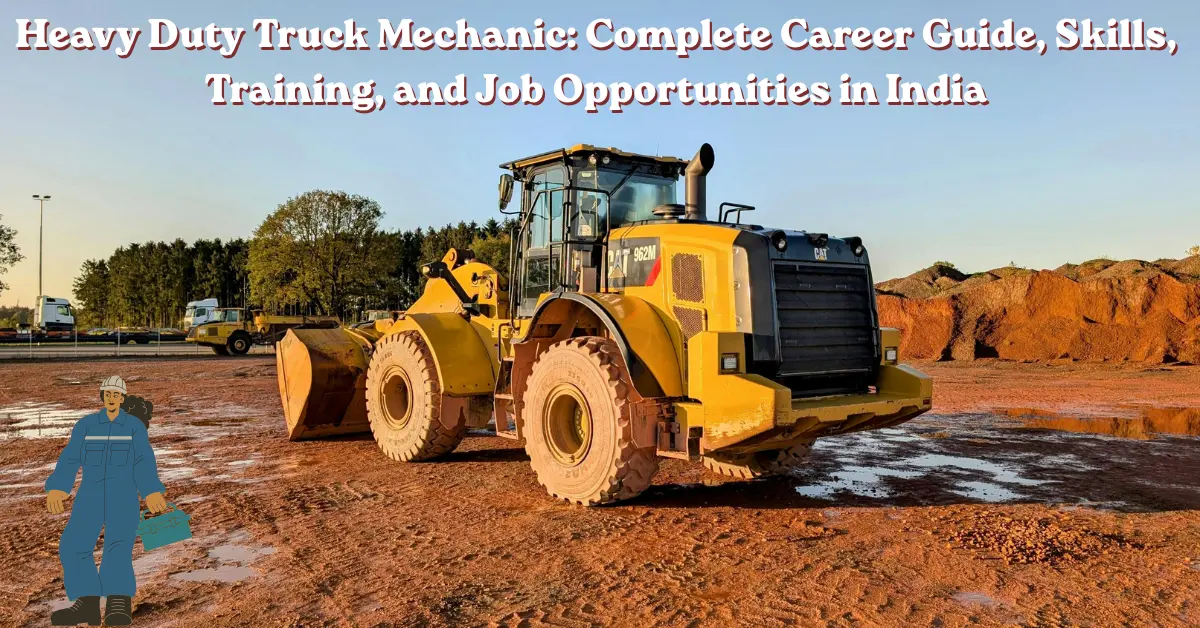
Introduction
Heavy duty truck mechanic is a profession that plays a vital role in keeping India’s transportation and logistics industry moving. Heavy trucks carry goods across cities, states, and industrial zones every day, and skilled mechanics ensure these vehicles remain safe, reliable, and roadworthy.
Whether you are planning to build a career in truck maintenance, own a transport business, or are searching for reliable information about heavy vehicle repair, this guide covers everything you need to know. You’ll learn what a heavy duty truck mechanic does, the skills required, training options, common tools, maintenance procedures, career opportunities in India, and how modern SaaS solutions are transforming workshop management.
What Is a Heavy Duty Truck Mechanic?
A heavy duty truck mechanic is a trained professional who diagnoses, repairs, services, and maintains large commercial vehicles such as:
- Cargo trucks
- Semi-trailer trucks
- Tippers
- Tankers
- Dump trucks
- Construction vehicles
- Mining trucks
- Municipal service vehicles
These mechanics work on complex systems including engines, transmissions, brakes, suspension, steering, electrical systems, cooling systems, fuel systems, and electronic diagnostics.
Their goal is to ensure trucks operate safely, efficiently, and with minimal downtime.
Why Heavy Duty Truck Mechanics Are Important in India
India has one of the world’s largest road transportation networks. Millions of trucks transport goods every day, making vehicle maintenance essential for the economy.
Heavy duty truck mechanics help by:
- Preventing unexpected breakdowns
- Improving road safety
- Reducing repair costs
- Increasing fuel efficiency
- Extending vehicle lifespan
- Supporting logistics companies
- Keeping fleets operational
Without skilled mechanics, transportation delays can impact businesses across multiple industries.
Main Responsibilities of a Heavy Duty Truck Mechanic
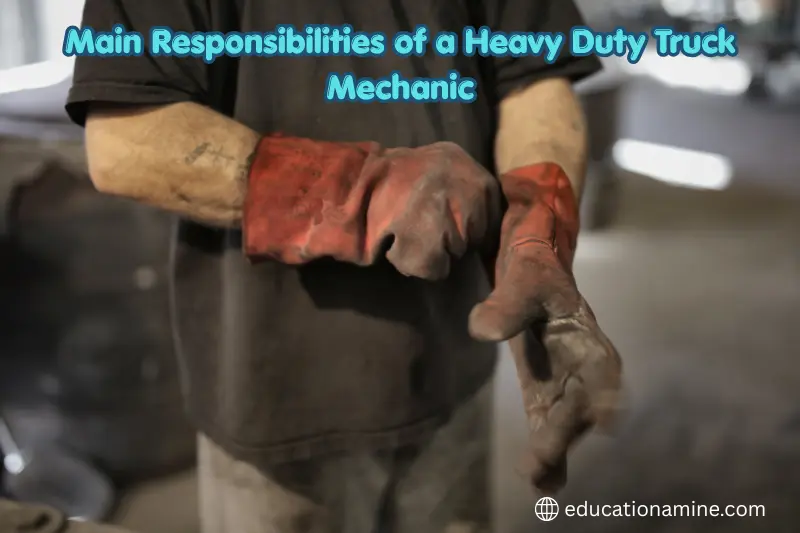
A heavy truck mechanic performs many technical tasks throughout the day.
Vehicle Inspection
Before repairs begin, mechanics inspect:
- Engine condition
- Oil levels
- Brake systems
- Tire wear
- Suspension
- Steering
- Battery
- Electrical wiring
Early detection helps avoid expensive failures.
Engine Repair
Mechanics diagnose problems related to:
- Diesel engines
- Fuel injectors
- Turbochargers
- Cooling systems
- Lubrication systems
- Engine sensors
Engine repairs may range from replacing filters to complete engine overhauls.
Brake System Maintenance
Heavy trucks depend on reliable braking systems.
Mechanics service:
- Air brakes
- Brake chambers
- Brake drums
- Brake shoes
- Brake lines
- Compressors
Regular maintenance improves driver safety.
Transmission Repairs
Transmission work includes:
- Gearbox inspection
- Clutch replacement
- Differential repair
- Driveshaft maintenance
- Gear synchronization
Electrical Diagnostics
Modern trucks contain advanced electronics.
Mechanics troubleshoot:
- ECU faults
- Wiring issues
- Lighting systems
- Sensors
- Alternators
- Starter motors
- Battery charging systems
Diagnostic scanners help identify faults quickly.
Preventive Maintenance
Routine servicing includes:
- Oil changes
- Filter replacement
- Coolant inspection
- Tire rotation
- Greasing components
- Belt replacement
- Fluid checks
Preventive maintenance reduces major repair costs.
Skills Every Heavy Duty Truck Mechanic Should Have
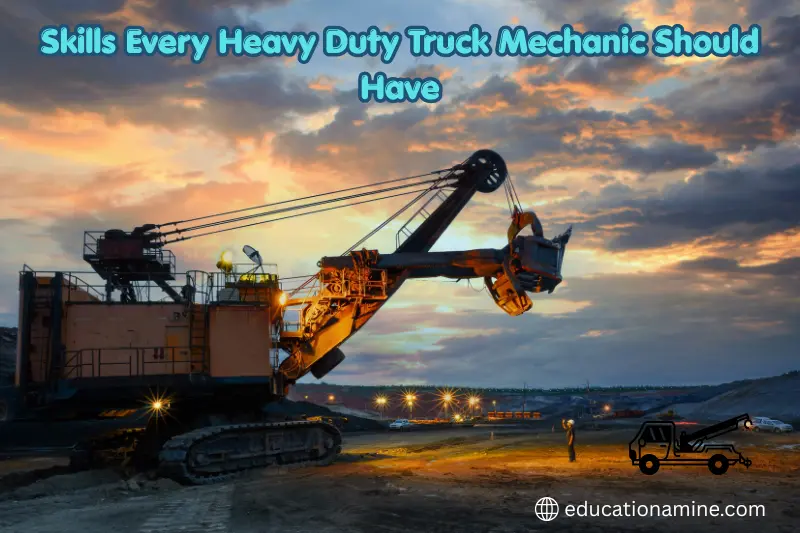
Successful mechanics combine technical expertise with practical problem-solving.
Important skills include:
- Diesel engine repair
- Mechanical troubleshooting
- Electrical diagnostics
- Hydraulic systems knowledge
- Pneumatic brake servicing
- Welding basics
- Reading technical manuals
- Computer diagnostic skills
- Time management
- Customer communication
Modern workshops increasingly require familiarity with digital maintenance software.
Essential Tools Used by Heavy Duty Truck Mechanics
Mechanics rely on specialized equipment for safe and efficient repairs.
Common tools include:
- Socket sets
- Torque wrenches
- Air impact guns
- Hydraulic jacks
- Diagnostic scanners
- Battery testers
- Compression testers
- Brake adjustment tools
- Grease guns
- Multimeters
Workshops also use lifting equipment designed specifically for commercial vehicles.
Training and Education in India
Several educational pathways can prepare candidates for this profession.
Common options include:
- ITI Diesel Mechanic courses
- Motor Vehicle Mechanic (MVM) training
- Polytechnic diploma programs
- Apprenticeships
- OEM manufacturer training
- Fleet maintenance workshops
Hands-on experience remains one of the most valuable parts of learning.
Industries That Hire Heavy Duty Truck Mechanics
Qualified mechanics are needed across many sectors.
Major employers include:
- Logistics companies
- Fleet operators
- Truck dealerships
- Government transport departments
- Mining companies
- Construction firms
- Bus operators
- Municipal corporations
- Equipment rental companies
- Private repair workshops
The demand continues to grow as India’s commercial vehicle industry expands.
Career Growth Opportunities
Many mechanics begin as trainees before advancing into senior technical roles.
Possible career progression includes:
- Apprentice Mechanic
- Junior Mechanic
- Heavy Duty Truck Mechanic
- Senior Technician
- Workshop Supervisor
- Fleet Maintenance Manager
- Service Advisor
- Workshop Owner
Experienced professionals may also specialize in diagnostics or fleet management.
Salary Expectations in India
Salary depends on experience, employer, certifications, and location.
| Experience | Typical Career Level |
|---|---|
| Fresher | Apprentice or Junior Mechanic |
| 2–5 Years | Skilled Mechanic |
| 5–10 Years | Senior Mechanic |
| 10+ Years | Supervisor or Workshop Manager |
Professionals working with major logistics companies or truck manufacturers often receive better benefits, training, and career growth opportunities.
Common Problems Heavy Duty Truck Mechanics Repair
Frequently repaired issues include:
- Engine overheating
- Oil leakage
- Brake failure
- Clutch wear
- Gear shifting problems
- Suspension damage
- Steering vibration
- Electrical faults
- Fuel injector issues
- Turbocharger failure
Quick diagnosis helps reduce vehicle downtime.
Step-by-Step Truck Maintenance Process
Professional workshops generally follow a structured repair process.
- Receive the vehicle.
- Record customer concerns.
- Perform a complete inspection.
- Run diagnostic tests.
- Identify faulty components.
- Estimate repair requirements.
- Replace or repair damaged parts.
- Test all systems.
- Perform a road test when appropriate.
- Deliver the vehicle with maintenance recommendations.
Following standardized procedures improves repair quality.
Benefits of Becoming a Heavy Duty Truck Mechanic
This profession offers several long-term advantages.
High Demand
Commercial vehicles require continuous maintenance throughout their operational life.
Stable Career
Transportation and logistics remain essential industries.
Practical Work
Mechanics solve real mechanical problems every day.
Career Growth
Experience can lead to supervisory or management positions.
Business Opportunities
Many experienced mechanics eventually open independent workshops.
Challenges of the Profession
Like any technical trade, the job has certain challenges.
Some common difficulties include:
- Physically demanding work
- Exposure to grease and heavy equipment
- Long repair hours during emergencies
- Keeping up with evolving truck technologies
- Diagnosing complex electronic systems
Continuous learning helps mechanics remain competitive.
How SaaS Is Transforming Truck Maintenance
Modern workshops increasingly use SaaS (Software as a Service) platforms to improve efficiency.
Popular features include:
- Digital job cards
- Fleet maintenance scheduling
- Vehicle service history
- Inventory management
- Parts ordering
- Technician assignment
- Customer communication
- Invoice generation
- Maintenance reminders
- Performance reports
For fleet operators, SaaS solutions reduce paperwork, improve maintenance planning, and minimize unexpected vehicle downtime.
Common Mistakes New Mechanics Should Avoid
Beginners often make avoidable errors.
Examples include:
- Skipping diagnostic procedures
- Ignoring manufacturer specifications
- Using incorrect tools
- Over-tightening bolts
- Forgetting torque settings
- Neglecting safety equipment
- Replacing parts without confirming the actual fault
- Poor documentation of repairs
Developing disciplined work habits improves repair accuracy.
Safety Tips for Heavy Duty Truck Mechanics
Safety should always come first.
Best practices include:
- Wear safety glasses.
- Use protective gloves.
- Secure lifted vehicles properly.
- Disconnect batteries before electrical work.
- Follow lockout procedures.
- Handle heavy components carefully.
- Keep work areas clean.
- Follow manufacturer repair guidelines.
Proper safety practices reduce workplace accidents.
Heavy Duty Truck Mechanic vs Light Vehicle Mechanic
| Feature | Heavy Duty Truck Mechanic | Light Vehicle Mechanic |
|---|---|---|
| Vehicle Size | Large commercial vehicles | Cars and small vehicles |
| Engine Type | Mostly diesel | Petrol, diesel, hybrid, EV |
| Brake Systems | Air brakes | Hydraulic brakes |
| Repair Complexity | Higher | Moderate |
| Tools | Heavy-duty equipment | Standard automotive tools |
| Work Environment | Fleet workshops, transport companies | Car garages and dealerships |
Choosing the Right Workshop Management Software
For businesses operating truck repair workshops, SaaS software can improve productivity.
Look for features such as:
- Fleet tracking
- Repair scheduling
- Mobile technician access
- Inventory management
- Customer records
- Service reminders
- Digital invoices
- Maintenance analytics
- Multi-user support
- Cloud backup
Choosing software that fits your workshop size and workflow can improve efficiency and customer satisfaction.
Internal Linking Opportunity
To learn more, check out our guides on Fleet Management Software, Preventive Truck Maintenance, Diesel Engine Repair, Commercial Vehicle Inspection Checklist, and Workshop Management System. These resources will help you improve truck maintenance, reduce downtime, and manage fleets more efficiently.
Trusted External Reference
For trusted information on commercial vehicle standards, safety, and automotive research, visit the Automotive Research Association of India (ARAI) . ARAI is one of India’s leading automotive research organizations and provides reliable technical resources for the commercial vehicle industry.
Frequently Asked Questions
1. What does a heavy duty truck mechanic do?
A heavy duty truck mechanic inspects, diagnoses, repairs, and maintains commercial trucks and other heavy vehicles. Their work includes servicing engines, brakes, transmissions, electrical systems, suspension components, and preventive maintenance to keep vehicles operating safely and efficiently.
2. What qualifications are needed to become a heavy duty truck mechanic in India?
Many mechanics begin with an ITI Diesel Mechanic or Motor Vehicle Mechanic course, followed by apprenticeships or practical workshop experience. Manufacturer training and continuous skill development can improve career prospects.
3. Is heavy duty truck mechanic a good career in India?
Yes. As India’s logistics, construction, mining, and transportation industries continue to grow, skilled mechanics remain in demand. Experienced professionals can advance into supervisory roles or start their own repair businesses.
4. What tools are commonly used by heavy duty truck mechanics?
Common tools include torque wrenches, hydraulic jacks, diagnostic scanners, socket sets, air impact guns, multimeters, battery testers, brake adjustment tools, grease guns, and engine testing equipment.
5. How does SaaS help truck repair workshops?
SaaS platforms simplify workshop operations by managing repair schedules, vehicle records, technician assignments, inventory, customer communication, digital invoices, and maintenance reminders. This improves efficiency while reducing paperwork and vehicle downtime.
Conclusion
A heavy duty truck mechanic plays an essential role in India’s transportation ecosystem by keeping commercial vehicles safe, reliable, and productive. From diesel engine repairs and preventive maintenance to advanced electronic diagnostics, the profession requires technical knowledge, practical skills, and continuous learning. As workshops increasingly adopt SaaS-based management systems, mechanics and fleet operators can benefit from improved organization, faster service, and better maintenance planning. If you’re considering this career or managing a commercial vehicle fleet, investing in proper training, quality tools, and modern maintenance software is a practical step toward long-term success.
