


Introduction
Truck mechanic apprenticeship programs are one of the best ways to begin a successful career in the heavy vehicle repair industry. They combine classroom learning with practical, hands-on experience, allowing apprentices to develop the skills required to inspect, diagnose, repair, and maintain commercial trucks and heavy-duty vehicles.
For students and job seekers in India who want a technical career with long-term opportunities, a truck mechanic apprenticeship offers practical training while earning valuable work experience. Whether you plan to work with transport companies, truck workshops, fleet maintenance businesses, or eventually start your own garage, an apprenticeship builds the foundation needed for success.
This guide explains everything about truck mechanic apprenticeships, including eligibility, required skills, training, responsibilities, career opportunities, salary expectations, and practical tips for becoming a successful heavy vehicle mechanic.
What Is a Truck Mechanic Apprenticeship?
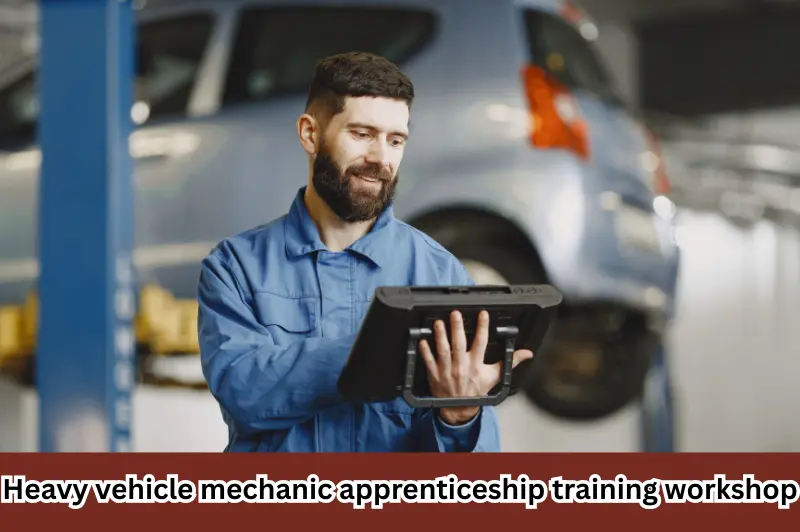
A truck mechanic apprenticeship is a structured training program where beginners learn heavy vehicle repair under the supervision of experienced mechanics.
Instead of learning only through books, apprentices gain real-world experience by working on commercial trucks, diesel engines, braking systems, transmissions, suspension components, and electrical systems.
The training usually combines:
- Practical workshop experience
- Technical classroom education
- Safety procedures
- Diagnostic techniques
- Preventive maintenance
- Vehicle inspections
This combination prepares apprentices for full-time employment as qualified truck mechanics.
Why Choose a Truck Mechanic Apprenticeship?
A truck mechanic apprenticeship provides practical skills that employers value.
Some of the biggest advantages include:
- Learn while gaining work experience
- Develop technical skills
- Improve employment opportunities
- Gain confidence with heavy vehicles
- Understand modern diagnostic equipment
- Build a long-term career in the transport industry
Many employers prefer candidates who have completed practical apprenticeship programs because they require less additional training.
Skills You Learn During a Truck Mechanic Apprenticeship
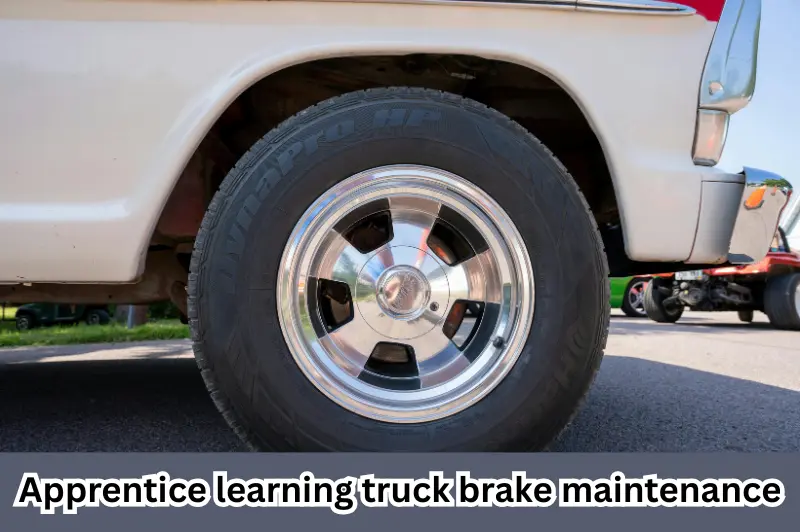
A successful apprenticeship teaches both technical and professional skills.
Engine Repair and Diagnostics
Apprentices learn how to:
- Inspect diesel engines
- Identify engine faults
- Perform diagnostic testing
- Replace damaged components
- Service fuel systems
- Repair cooling systems
Understanding engine operation is one of the most important parts of becoming a truck mechanic.
Brake System Maintenance
Heavy vehicle braking systems require specialized knowledge.
Training includes:
- Brake inspections
- Air brake servicing
- Brake pad replacement
- Brake chamber inspection
- Hydraulic brake systems
- Brake safety testing
Proper brake maintenance helps improve road safety.
Transmission and Clutch Repairs
Truck apprentices also learn to repair:
- Manual gearboxes
- Automatic transmissions
- Clutch assemblies
- Driveshafts
- Differentials
These components transfer engine power to the wheels and require regular maintenance.
Suspension and Steering
Heavy vehicles depend on strong suspension systems.
Training covers:
- Leaf springs
- Shock absorbers
- Steering systems
- Wheel alignment
- Bush replacement
- Chassis inspections
Proper suspension maintenance improves vehicle stability and driver comfort.
Electrical Systems
Modern trucks contain sophisticated electrical components.
Apprentices learn:
- Battery testing
- Starter motor repairs
- Alternator servicing
- Wiring repairs
- Lighting systems
- Electronic diagnostics
Electrical troubleshooting is becoming increasingly important in modern truck repair.
Eligibility for a Truck Mechanic Apprenticeship
Requirements vary between employers, but most apprenticeships require:
- Basic school education
- Interest in mechanical work
- Good physical fitness
- Basic mathematics
- Problem-solving ability
- Willingness to learn
- Safety awareness
Some employers may also require vocational or technical education.
Daily Responsibilities of a Truck Mechanic Apprentice
A truck mechanic apprentice assists experienced technicians while gradually handling more complex tasks.
Typical responsibilities include:
- Inspecting heavy vehicles
- Changing engine oil
- Replacing filters
- Cleaning workshop equipment
- Diagnosing simple faults
- Assisting with brake repairs
- Checking fluid levels
- Performing routine maintenance
- Preparing tools
- Recording maintenance information
As experience grows, apprentices begin performing more advanced repairs independently.
Essential Tools Used During Training
Truck mechanic apprentices work with a wide variety of professional tools.
Common equipment includes:
- Socket sets
- Torque wrenches
- Diagnostic scanners
- Hydraulic jacks
- Air tools
- Multimeters
- Brake testing equipment
- Engine hoists
- Battery testers
- Cooling system pressure testers
Learning how to use these tools safely is an important part of apprenticeship training.
Safety Practices Every Apprentice Must Follow
Workshop safety should always be the highest priority.
Important safety practices include:
- Wearing protective gloves
- Using safety glasses
- Following lifting procedures
- Disconnecting batteries before electrical work
- Keeping work areas clean
- Using the correct tools
- Reporting damaged equipment
- Following workshop safety rules
Good safety habits protect both mechanics and customers.
Career Opportunities After Completing an Apprenticeship
A truck mechanic apprenticeship opens the door to many career paths.
Possible job opportunities include:
- Truck mechanic
- Diesel mechanic
- Fleet maintenance technician
- Heavy vehicle technician
- Workshop supervisor
- Mobile truck mechanic
- Service advisor
- Transport company technician
- Equipment maintenance technician
- Independent garage owner
With experience and additional certifications, mechanics can specialize in advanced diagnostics, fleet management, or heavy equipment servicing.
Benefits of Becoming a Truck Mechanic
A truck mechanic career offers several advantages.
Practical Work
Ideal for people who enjoy hands-on technical work.
Strong Demand
Commercial transport companies continually require skilled mechanics to maintain their fleets.
Career Growth
Experience can lead to supervisory roles, specialized technician positions, or business ownership.
Continuous Learning
Modern trucks continue evolving, providing opportunities to learn new technologies and diagnostic systems.
Diverse Work Environment
Mechanics may work in workshops, fleet maintenance facilities, transport companies, or as mobile service technicians.
Career Growth After Completing a Truck Mechanic Apprenticeship
Completing a truck mechanic apprenticeship is only the beginning of a rewarding career. As you gain experience, you can specialize in different areas of heavy vehicle maintenance and increase your earning potential.
Common career progression includes:
- Apprentice Truck Mechanic
- Qualified Truck Mechanic
- Senior Heavy Vehicle Technician
- Fleet Maintenance Technician
- Workshop Supervisor
- Service Manager
- Mobile Truck Mechanic
- Diesel Engine Specialist
- Fleet Maintenance Manager
- Independent Workshop Owner
With continuous learning and hands-on experience, truck mechanics can build a stable and long-term career in the commercial vehicle industry.
Professional Certifications That Can Improve Your Career
Although apprenticeship training provides practical experience, additional certifications can improve your employment opportunities.
Useful certifications may include:
- Heavy Vehicle Mechanical Technology courses
- Diesel Engine Repair training
- Vehicle Diagnostic System training
- Workplace Safety certifications
- Hydraulic and Pneumatic System training
- Electrical System Diagnostic courses
Keeping your technical knowledge up to date helps you work confidently on modern trucks equipped with advanced electronic systems.
Common Challenges During a Truck Mechanic Apprenticeship
Every apprentice faces challenges while learning. The key is to treat them as opportunities to improve.
Learning New Technology
Modern trucks use computerized diagnostic systems and electronic control units. Learning these technologies takes time and regular practice.
Physical Work
Truck mechanics often lift heavy components, work under vehicles, and spend long hours standing. Good physical fitness and proper lifting techniques are essential.
Time Management
Balancing workshop tasks, technical learning, and meeting deadlines requires strong organizational skills.
Safety Awareness
Heavy vehicles involve high-pressure air systems, heavy equipment, and electrical components. Following safety procedures at all times is essential.
Common Mistakes Apprentices Should Avoid
Avoiding these mistakes can help you become a better truck mechanic.
Ignoring Safety Rules
Never skip protective equipment or safety procedures. A small mistake can cause serious injuries.
Using Incorrect Tools
Always use the correct tool for the job. Improper tools can damage vehicle components and increase repair time.
Skipping Inspections
Always inspect related parts during repairs. Replacing one damaged component without checking surrounding systems may lead to future problems.
Not Asking Questions
Experienced mechanics are valuable mentors. Asking questions helps you learn faster and avoid costly mistakes.
Poor Documentation
Maintain accurate service records and inspection notes. Good documentation improves workshop efficiency and customer service.
Skills Employers Look For
Most employers value apprentices who demonstrate both technical ability and professional behavior.
Important qualities include:
- Mechanical aptitude
- Problem-solving skills
- Attention to detail
- Reliability
- Teamwork
- Communication skills
- Time management
- Willingness to learn
- Safety awareness
- Customer service skills
These qualities often make candidates more attractive to employers.
Truck Mechanic Apprenticeship vs Traditional Classroom Learning
| Feature | Truck Mechanic Apprenticeship | Classroom-Only Learning |
| Practical Experience | Excellent | Limited |
| Real Truck Repairs | Yes | Mostly Theory |
| Industry Exposure | High | Low |
| Skill Development | Fast | Moderate |
| Job Readiness | High | Moderate |
| Hands-on Training | Yes | Limited |
An apprenticeship provides real-world experience that helps apprentices become job-ready more quickly.
If you’re planning a career in heavy vehicle maintenance, you may also find our guides on Mobile Truck Mechanic, Truck Mechanic Illawarra, and Adelaide Truck Mechanic useful. These resources explain truck servicing, repair techniques, and career opportunities in the commercial vehicle industry.
For reliable information about apprenticeship programs, vocational training, and skill development opportunities, visit the National Apprenticeship Promotion Scheme (NAPS). It provides official guidance on apprenticeships, training opportunities, and career development in India.
Frequently Asked Questions
1. What is a truck mechanic apprenticeship?
A truck mechanic apprenticeship is a structured training program that combines practical workshop experience with technical learning. Apprentices work under experienced mechanics to learn truck servicing, diagnostics, repairs, and preventive maintenance while developing job-ready skills.
2. How long does a truck mechanic apprenticeship take?
The duration varies depending on the employer, training provider, and country. Most apprenticeship programs last between one and four years, allowing apprentices to gain both practical experience and technical knowledge.
3. What skills are required to become a truck mechanic?
A successful truck mechanic needs mechanical aptitude, problem-solving skills, attention to detail, basic mathematics, safety awareness, communication skills, and a willingness to continuously learn new vehicle technologies.
4. Is a truck mechanic apprenticeship a good career choice?
Yes. A truck mechanic apprenticeship provides valuable practical experience and opens opportunities in transport companies, fleet maintenance, workshops, construction equipment servicing, and independent businesses.
5. Can I start my own workshop after completing an apprenticeship?
Yes. Many experienced truck mechanics eventually establish their own repair workshops after gaining several years of industry experience, technical expertise, and business knowledge
Conclusion
A truck mechanic apprenticeship is an excellent pathway for anyone interested in heavy vehicle repair and maintenance. It combines practical experience with technical education, helping apprentices build the skills needed for a successful career. By learning from experienced professionals, following safety practices, and continuously improving your knowledge, you can become a qualified truck mechanic with opportunities to work in workshops, transport companies, fleet maintenance, or even run your own business.
